








What's Happening?
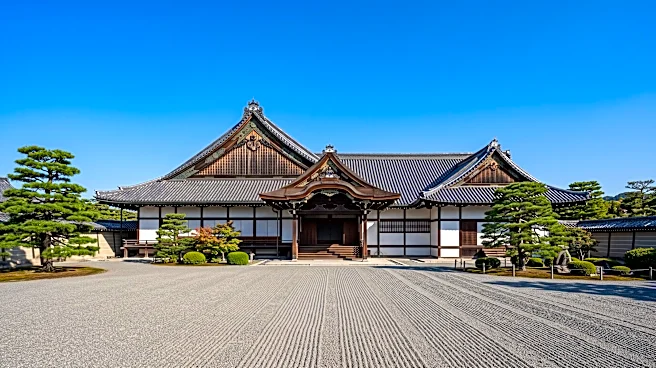
Kyoto Mayor Koji Matsui has announced a plan to implement a dual pricing system for Nijo-jo Castle, a UNESCO World Heritage site, and for municipally run bus services. Under the proposed changes, the admission fee for Nijo-jo Castle and its Ninomaru-goten
palace will decrease to ¥1,000 for Kyoto residents from the current ¥1,300, while visitors from outside the city will see their fee increase to ¥2,000. Similarly, bus fares for Kyoto citizens will be reduced to ¥200 from ¥230, but other users will pay ¥360. These proposals were unveiled during a plenary meeting of the Kyoto Municipal Assembly. The city government intends to submit an ordinance amendment to the assembly in November, with the goal of introducing these new fees in fiscal year 2027, which begins in April 2027. The increased revenue generated from these dual pricing schemes is specifically earmarked for the preservation and repair of the castle's facilities, which are managed by the city government.
Why It's Important?
This initiative by Kyoto City is a direct response to the growing challenges of overtourism, a phenomenon that can strain local infrastructure, diminish the quality of life for residents, and potentially degrade cultural heritage sites. By implementing dual pricing, Kyoto aims to manage tourist flow more effectively, making attractions and public services more accessible and affordable for its residents while ensuring that visitors contribute more significantly to the upkeep of the city's historical assets. This approach could serve as a model for other popular tourist destinations grappling with similar issues, demonstrating a strategy to balance tourism benefits with local community needs. The allocation of increased revenue specifically for preservation and repairs highlights a commitment to sustainable tourism and the long-term protection of World Heritage sites, ensuring these cultural treasures remain intact for future generations. However, it also raises questions about equity and the potential impact on tourism numbers, as higher costs might deter some international visitors.
What's Next?
The Kyoto City government plans to submit a proposal to amend the relevant ordinance to the Kyoto Municipal Assembly in November. If approved, the new dual pricing system for Nijo-jo Castle and municipal bus services is slated to take effect in fiscal year 2027, commencing in April 2027. Following the submission, the proposal will undergo review and debate within the assembly. Stakeholders, including tourism operators, local businesses, and residents, will likely monitor these developments closely. The implementation will be a significant test of how dual pricing can effectively manage overtourism and generate funds for preservation without negatively impacting the city's appeal as a global tourist destination. The city will need to carefully assess the initial impacts on visitor numbers and resident satisfaction to determine the long-term success and potential adjustments to the policy.
Beyond the Headlines
The proposed dual pricing system in Kyoto reflects a broader global discussion about the sustainability of tourism and the balance between economic benefits and cultural preservation. This policy could set a precedent for how cities manage the impact of high visitor volumes, particularly in areas rich with UNESCO World Heritage sites. Ethically, it raises questions about differential access and whether tourists should bear a disproportionately higher cost for maintaining shared cultural heritage. Culturally, it underscores a shift towards prioritizing local quality of life and the integrity of historical sites over unchecked tourism growth. The long-term implications could include a re-evaluation of tourism models worldwide, potentially leading to more localized and sustainable approaches that empower residents and protect heritage, rather than simply maximizing visitor numbers. This move by Kyoto could influence policy-making in other heavily touristed cities, prompting them to consider similar measures to mitigate the negative effects of overtourism.