




What's Happening?
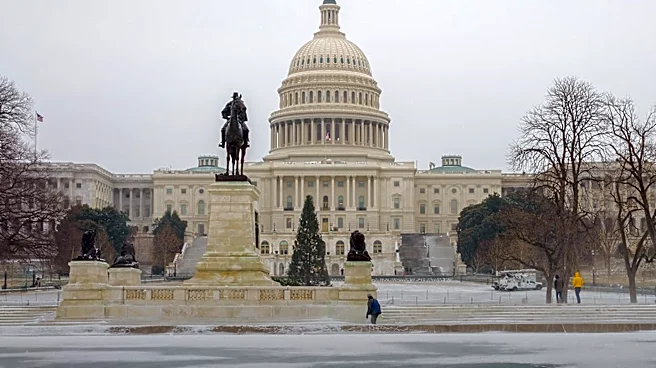
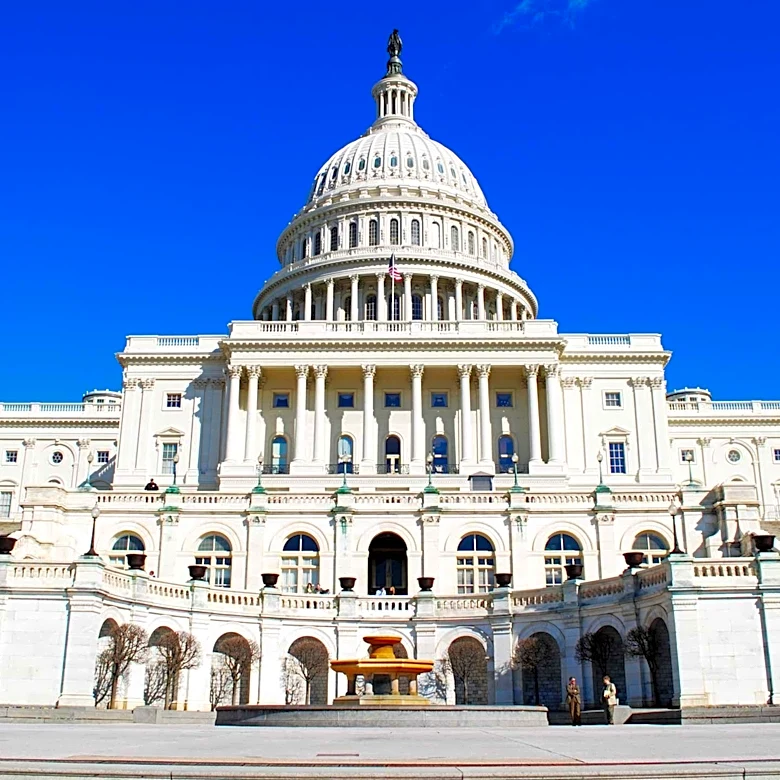
U.S. Representative Seth Magaziner held a press conference outside the Rhode Island State House, where he publicly accused his political opponent, Vic Mellor, of participating in the January 6 Capitol riot. Magaziner was accompanied by two law enforcement
officers who were present at the Capitol during the events of that day, lending weight to his condemnation of Mellor's alleged involvement. Mellor, in response, defended his presence at the Capitol on January 6, characterizing it as an exercise of his First Amendment rights and denying any engagement in violent activities. This accusation highlights a significant point of contention within the Republican primary for Rhode Island’s 2nd Congressional District, revealing deep divisions among voters concerning political ideologies such as socialism and 'MAGAism.' The confrontation underscores the ongoing impact of the January 6 events on contemporary U.S. political discourse and campaigns.
Why It's Important?
This accusation by a sitting U.S. Representative against a political opponent regarding participation in the January 6 Capitol riot is significant for several reasons. It demonstrates how the events of January 6 continue to be a potent and divisive issue in U.S. politics, influencing electoral campaigns and shaping public perception of candidates. For voters in Rhode Island’s 2nd Congressional District, this controversy forces a direct consideration of a candidate's past actions and their alignment with democratic principles. The involvement of law enforcement officers who defended the Capitol adds a layer of gravity to Magaziner's claims, potentially swaying public opinion. Conversely, Mellor's defense, framing his actions as an exercise of First Amendment rights, taps into a different segment of the electorate concerned with civil liberties. This dynamic illustrates the broader struggle within the Republican party and the nation over the interpretation of the January 6 events and the future direction of conservative politics.
What's Next?
The immediate next step will likely involve continued public debate and scrutiny surrounding Vic Mellor's involvement in the January 6 events, especially as the Republican primary for Rhode Island’s 2nd Congressional District progresses. Both candidates will likely intensify their campaigns, with Magaziner continuing to highlight Mellor's alleged participation and Mellor reiterating his defense of First Amendment rights. Voters in the district will be tasked with evaluating these claims and counter-claims as they decide on their preferred candidate. The outcome of this primary could serve as an indicator of how much the January 6 events continue to influence voter behavior and candidate viability in U.S. elections. Furthermore, this incident may prompt other political figures to either distance themselves from or embrace individuals associated with the January 6 events, depending on their political strategies and the sentiments of their constituents.
Beyond the Headlines
This political confrontation extends beyond a typical campaign dispute, touching upon fundamental questions about civic responsibility, the interpretation of historical events, and the boundaries of political protest in a democratic society. The accusation against Vic Mellor and his subsequent defense highlight the deep ideological fissures that persist in the U.S. political landscape following the January 6 Capitol riot. It raises ethical considerations about how past actions, particularly those perceived as challenging democratic institutions, should impact a candidate's eligibility or public trust. The use of law enforcement officers as witnesses in a political campaign also brings into focus the role of public servants in political discourse. This situation could contribute to a long-term shift in how political campaigns address candidates' involvement in controversial events, potentially leading to more rigorous vetting and public accountability for actions taken during periods of national unrest.