




What's Happening?
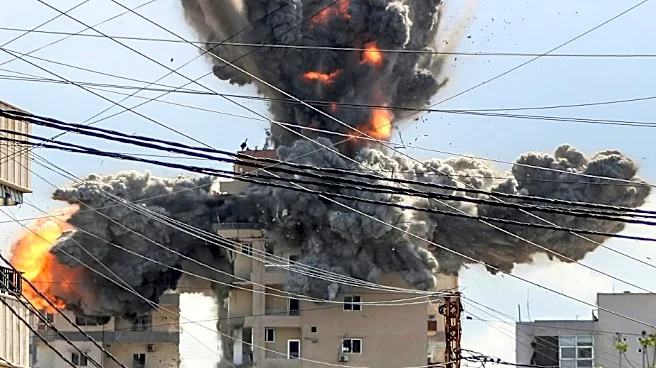
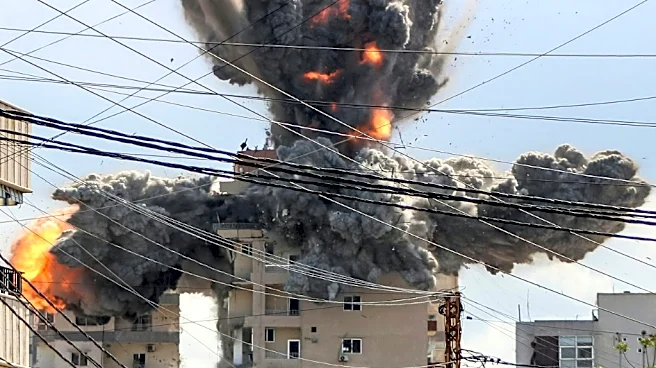
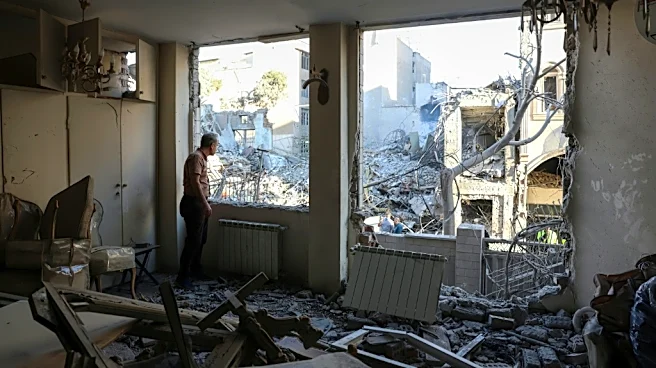
Lebanon is grappling with the aftermath of deadly Israeli airstrikes that have killed at least 203 people and wounded over 1,000, according to Lebanon's health ministry. The strikes targeted Hezbollah sites but resulted in significant civilian casualties,
hitting densely populated areas during rush hour. Hospitals are overwhelmed with injured individuals, and survivors recount harrowing experiences of the attacks. The Lebanese government has accused Israel of violating international law and plans to file a complaint with the U.N. Security Council. The situation has prompted calls for increased security measures and demilitarization efforts in Beirut.
Why It's Important?
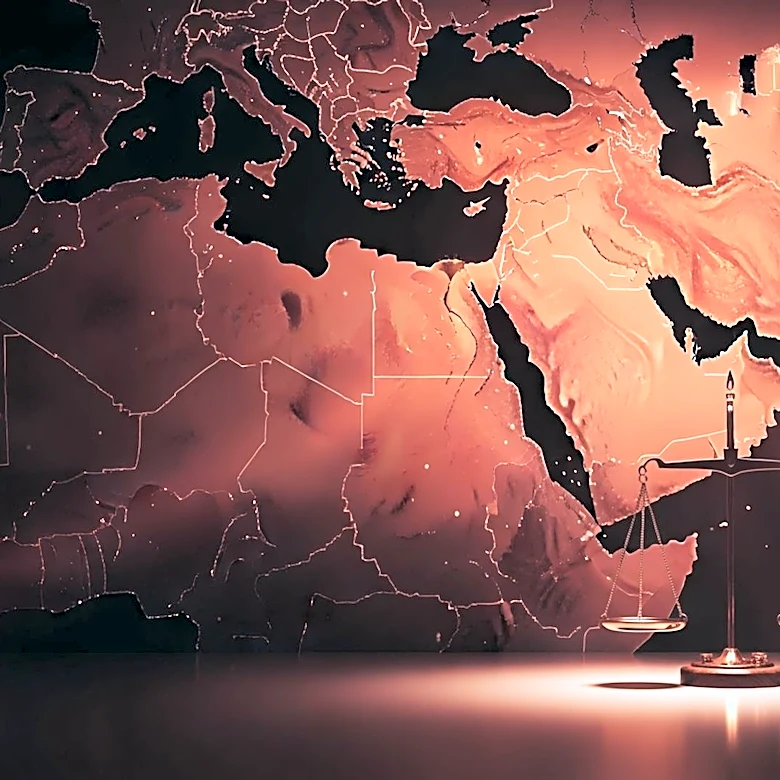
The airstrikes have intensified the conflict between Israel and Hezbollah, raising concerns about regional stability. The high civilian casualty rate has drawn international condemnation and could lead to diplomatic repercussions for Israel. The attacks have strained Lebanon's healthcare system, highlighting the country's challenges in managing crises. The situation may impact U.S. foreign policy, as the U.S. has historically been involved in Middle Eastern affairs. The conflict could influence global oil markets, given the region's significance in energy production, and affect international relations, particularly between Israel and its neighboring countries.
What's Next?
Lebanon is expected to file an urgent complaint with the U.N. Security Council, accusing Israel of violating international law. The Lebanese government plans to demilitarize Beirut and increase security patrols. The international community may call for ceasefire negotiations to prevent further escalation. Israel's actions could lead to retaliatory measures from Hezbollah, potentially prolonging the conflict. The situation may prompt discussions among global leaders on how to address the humanitarian crisis and restore stability in the region.
Beyond the Headlines
The airstrikes have highlighted the ethical and legal challenges of military actions in densely populated areas. The attacks have intensified debates over the legality of targeting civilian areas and the responsibilities of nations under international humanitarian law. The conflict may influence cultural perceptions of Israel and Lebanon, affecting public opinion and media narratives. Long-term, the situation could lead to shifts in regional alliances and impact the geopolitical landscape in the Middle East.