


What's Happening?
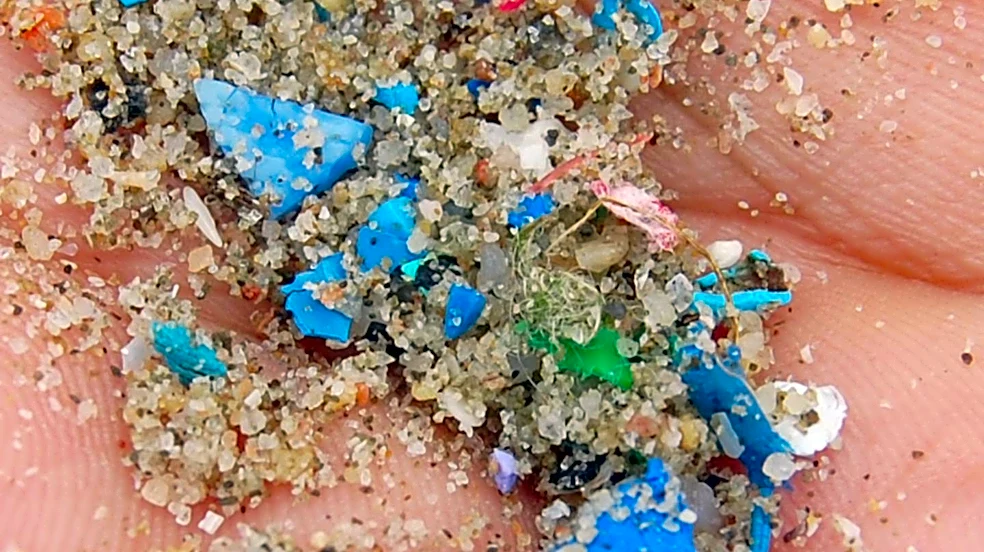
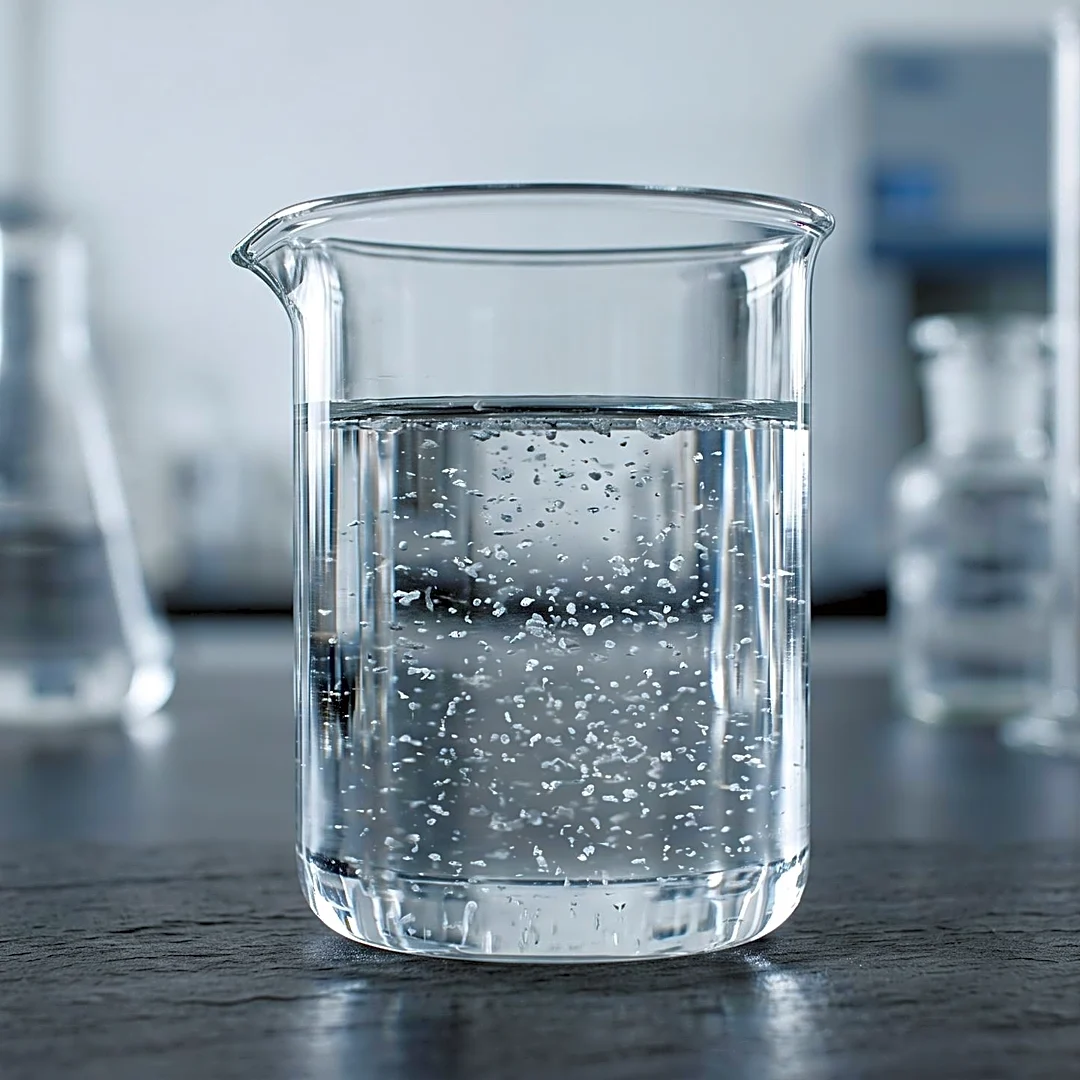
A recent study published in Nature reveals that common microplastics exhibit intrinsic physicochemical activity when in contact with water, challenging the long-held assumption that plastics are inert. Researchers discovered that at microplastic–water
interfaces, reactive oxygen species (ROS), including hydroxyl radicals, are spontaneously generated and continue to be produced over time. This radical formation increases with the hydrophobicity of the plastic surface. The study investigated six common plastics: polypropylene (PP), polyethylene (PE), polyvinyl chloride (PVC), polystyrene (PS), polyethylene terephthalate (PET), and polymethyl methacrylate (PMMA). Experiments showed that all six types generated radicals, with PP and PE being more reactive than PMMA and PET. This surface activity may explain how microplastics interact with proteins and other biomolecules, potentially altering protein structure and affecting cell health.
Why It's Important?
This discovery is crucial for understanding the potential health and environmental impacts of microplastics. Previous laboratory studies have linked microplastic exposure to cellular stress, inflammation, and cytotoxicity, while observational research has associated it with cardiovascular problems, reproductive damage, neurological disease, and inflammatory bowel disease. However, the mechanisms behind these effects were not fully understood. The finding that microplastics actively generate reactive oxygen species in water provides a plausible chemical explanation for how they can cause cellular damage and protein aggregation. This challenges the perception of plastics as benign materials once fragmented and highlights a previously overlooked mechanism of harm. Understanding these reactions is vital for assessing the true risks of microplastic pollution and for developing safer, more sustainable materials.
What's Next?
Further research is needed to determine whether the water-triggered reactions and radical formation observed in laboratory settings contribute meaningfully to human disease at typical exposure levels. Scientists will likely focus on quantifying the extent of these reactions in various environmental and biological contexts and assessing their long-term health consequences. This could involve more in-depth studies on how these reactive species interact with different types of cells and tissues in living organisms. The findings also have implications for materials science, potentially informing the design of new plastics that are less prone to generating harmful reactive species. This could lead to the development of more environmentally friendly and biologically inert plastic alternatives, influencing future manufacturing and waste management strategies.
Beyond the Headlines
The study's findings extend beyond immediate health concerns, delving into fundamental aspects of interfacial water chemistry. The discovery that partial solvation and electrostatics lower hydroxide ionization energies at increasingly hydrophobic interfaces provides new insights into how water interacts with surfaces at a molecular level. This could have broader implications for fields beyond microplastics, including catalysis, material science, and even astrobiology, where water-surface interactions are critical. The ethical dimension of this research underscores the responsibility of industries to develop and utilize materials with a comprehensive understanding of their full lifecycle impacts, including their degradation products. Culturally, this research further solidifies the growing awareness and concern about plastic pollution, potentially driving greater public demand for sustainable practices and stricter regulations on plastic production and disposal.