




What's Happening?
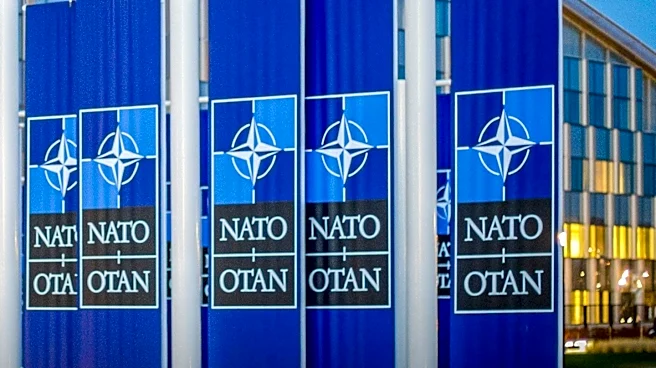
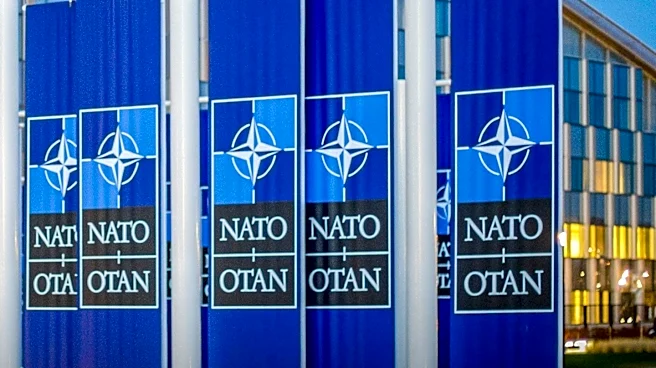
NATO is deploying new digital tools, including real-time maritime surveillance systems, to counteract Russia's escalating hybrid attacks against allied countries, as reported by UK Defence Journal on November 19. Jean-Charles Ellermann-Kingombe, NATO’s
Assistant Secretary General for Cyber and Digital Transformation, stated at the NATO Edge 2026 conference in İzmir, Türkiye, that the increase in hybrid attacks is linked to Russia's full-scale invasion of Ukraine. Moscow's objective is to deter allies from supporting Ukraine through cyberattacks targeting critical infrastructure and efforts to undermine social cohesion. Following damage to undersea cables in the Baltic Sea, NATO enhanced its military presence with Operation Baltic Sentry and developed Task Force X for real-time maritime situational awareness. Admiral Pierre Vandier, NATO’s Supreme Allied Commander Transformation, explained that digital technologies will enable all 32 member states to share intelligence and coordinate military and civilian responses more rapidly. Air Chief Marshal Sir Johnny Stringer, NATO’s Deputy Supreme Allied Commander Europe, characterized Europe as "not at war, but it's not at peace either," emphasizing the need for diplomatic, economic, information, and military measures to counter hybrid threats. Recent cyberattacks on supermarket refrigeration systems in nine EU countries, including Belgium, Germany, Sweden, Estonia, and Romania, have been traced to servers previously used by Russian groups, though formal responsibility has not been assigned.
Why It's Important?
The deployment of advanced digital tools by NATO signifies a critical shift in how the alliance addresses modern security challenges. Russia's hybrid warfare tactics, which combine cyberattacks, disinformation, and conventional military posturing, pose a significant threat to the stability and critical infrastructure of NATO member states. The ability to share intelligence and coordinate responses rapidly across all 32 member states is crucial for effective deterrence and defense. The targeting of civilian infrastructure, such as supermarket refrigeration systems, demonstrates the broad impact of these hybrid attacks on daily life and economic stability. This situation underscores the necessity for robust cybersecurity measures and international cooperation to protect essential services and maintain public confidence. The emphasis on digital transformation and real-time situational awareness highlights the evolving nature of warfare and the increasing importance of technological superiority in maintaining security.
What's Next?
NATO's continued focus on digital transformation and enhanced cooperation with the cyber industry will be crucial in strengthening its defenses against future hybrid attacks. The alliance will likely continue to invest in advanced technologies and intelligence-sharing platforms to improve its collective response capabilities. The ongoing threat from Russian hybrid tactics suggests that NATO members will need to maintain vigilance and adapt their defense strategies to counter evolving threats. This may involve further integration of cyber defense into traditional military planning, as well as increased collaboration with private sector cybersecurity experts. The development of new standards and the secure adoption of technologies like AI will be key to ensuring NATO's readiness for real-life crises in cyberspace. The situation also calls for continued diplomatic and economic measures to address the root causes of these hybrid threats.
Beyond the Headlines
The escalating hybrid attacks and NATO's response highlight a fundamental shift in the nature of international conflict, where the lines between peace and war are increasingly blurred. The concept of "not at war, but not at peace either" reflects a new reality where adversaries can inflict significant damage without direct military confrontation. This necessitates a re-evaluation of traditional defense doctrines and a greater emphasis on resilience in critical infrastructure. The involvement of the private sector in cyber defense, as indicated by NATO's deepening cooperation with the cyber industry, underscores the interconnectedness of national security and commercial technology. Ethical considerations surrounding data sharing, surveillance, and the use of advanced AI in defense will also become more prominent. Ultimately, the ability of democratic nations to counter these multifaceted threats will depend on their capacity for rapid innovation, robust international collaboration, and public awareness of the risks posed by hybrid warfare.