


What's Happening?
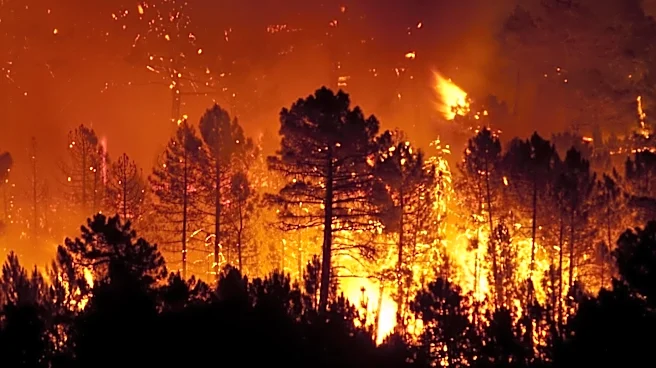
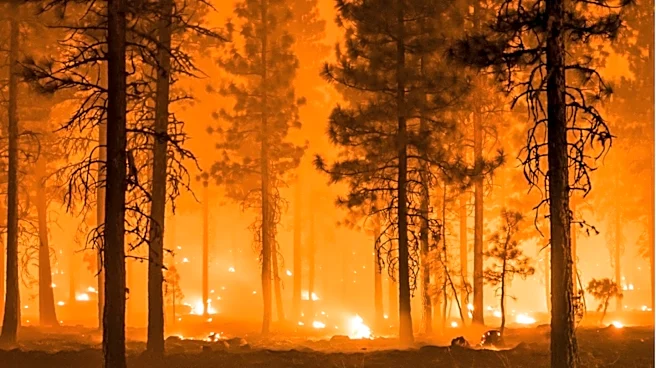
Minnesota Governor Tim Walz has announced that the peacetime emergency declared for the Boundary Waters Canoe Area (BWCA) wildfires will expire on August 11. This decision follows significant progress in containing the wildfires, which have burned approximately
65,000 acres. Improved weather conditions have aided the containment efforts, and no major structures have been lost, nor has there been any loss of life. The multi-agency response, involving local, tribal, and federal partners, has been credited with the successful protection of infrastructure. As the immediate threat diminishes, the focus is shifting towards financial recovery for the affected areas. Governor Walz has urged the legislature to begin preparing a relief package, although a special session is unlikely before the primary elections. Formal relief discussions are expected to take place when the legislature reconvenes in January.
Why It's Important?
The expiration of the peacetime emergency marks a significant milestone in Minnesota's response to the BWCA wildfires, highlighting the effectiveness of coordinated efforts among various agencies. The shift towards financial recovery is crucial for the communities affected by the wildfires, as they begin to rebuild and address the economic impact. The call for legislative action underscores the need for a structured approach to disaster recovery, which could set a precedent for future responses to natural disasters in the state. The situation also emphasizes the importance of preparedness and resource allocation in managing wildfire risks, particularly as climate conditions continue to evolve.
What's Next?
As the state transitions from emergency response to recovery, the focus will be on developing and implementing a comprehensive relief package for the affected areas. This will involve collaboration between state legislators and local communities to address the economic and infrastructural needs resulting from the wildfires. Additionally, ongoing monitoring of fire conditions will be necessary, as the traditional fire season is still underway. The state will need to remain vigilant and prepared to respond to any new fire threats that may arise.