


What's Happening?
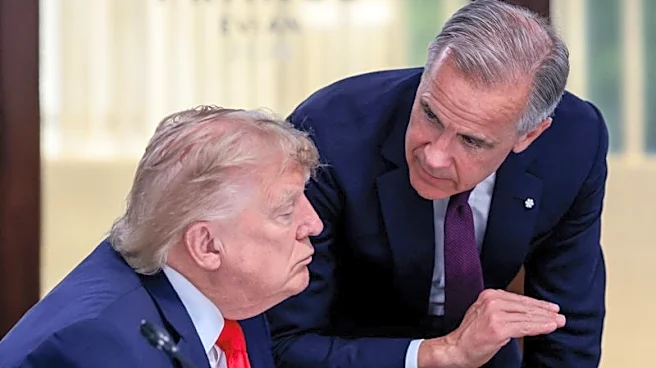
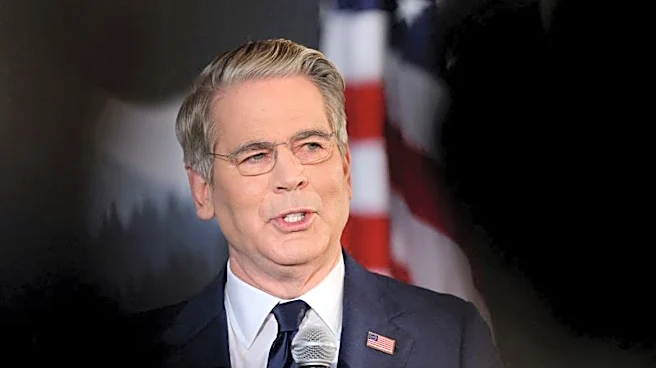
United Auto Workers (UAW) President Shawn Fain has strongly criticized President Trump's recent comments indicating openness to Chinese companies establishing car manufacturing plants in the United States. Speaking at a UAW conference in Lansing on September
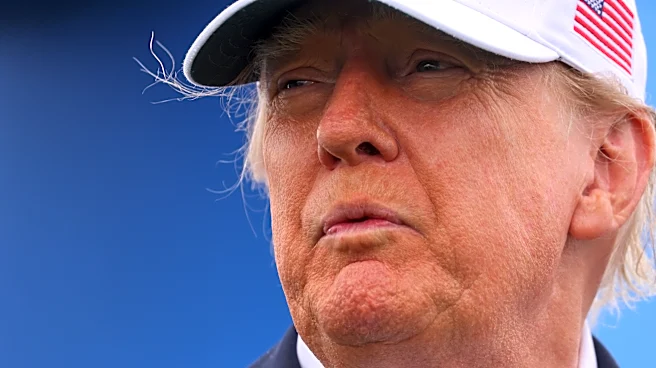
15, Fain stated that President Trump's remarks were 'a slap in the face to American workers.' President Trump, in an interview with Fox News host Laura Ingraham, had initially dismissed rumors about allowing Chinese cars into the U.S. as 'phony' but then added, 'If China wanted to come in and open a plant to build their cars here, I'd be OK with it. Japan does it. But they hire our people.' He clarified that his concern was about Chinese companies building plants in Mexico and shipping vehicles into the U.S., not about direct investment in American manufacturing.
Why It's Important?
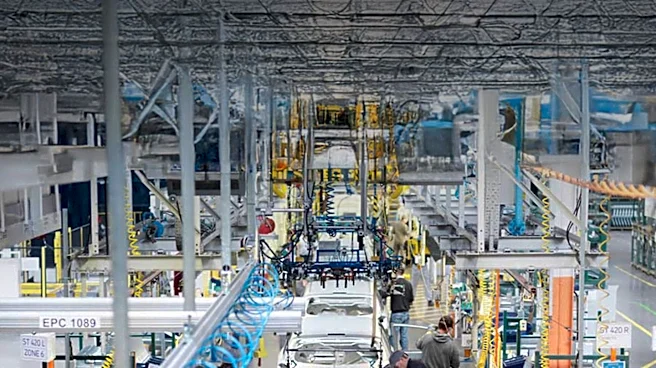
This issue is highly significant for the U.S. auto industry and American labor. The UAW, a powerful labor union, views the potential for Chinese auto manufacturing in the U.S. as a threat to domestic jobs and labor standards, citing concerns about 'slave labor' practices in other countries. President Trump's stance, while seemingly aimed at job creation, clashes with the protectionist sentiments often expressed by the UAW and some lawmakers who advocate for stricter measures against Chinese imports. This debate highlights a fundamental tension between attracting foreign investment for job creation and protecting existing industries and workers from perceived unfair competition. The automotive sector is a cornerstone of the American economy, and any policy shift regarding foreign manufacturing could have widespread economic and social repercussions, particularly in states heavily reliant on auto production.
What's Next?
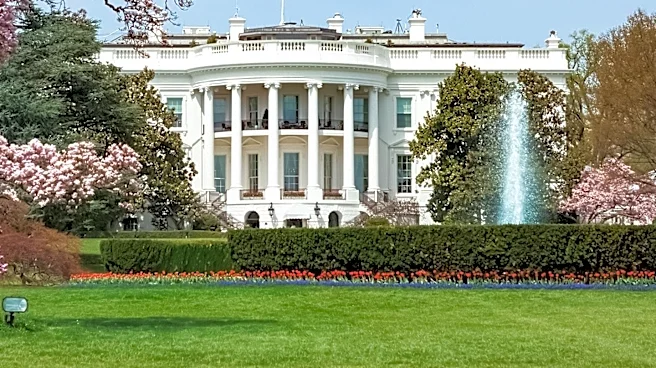
The controversy is expected to intensify, especially with Chinese President Xi Jinping scheduled to visit the White House on September 24. Many in the auto industry fear that President Trump might make concessions regarding Chinese auto manufacturing during this meeting. Lawmakers, including U.S. Sen. Elissa Slotkin and Ohio Republican Sen. Bernie Moreno, have already pushed for bipartisan legislation to ban the sale of Chinese vehicles in the U.S. for economic and national security reasons. The UAW and its allies will likely continue to lobby against any policies that they believe could undermine American auto workers. This issue is also poised to become a significant talking point in upcoming political campaigns, particularly in states with strong manufacturing bases, as candidates align themselves with either protectionist or pro-investment stances.
Beyond the Headlines
Beyond the immediate economic and labor concerns, this debate touches upon broader national security implications. UAW President Fain explicitly stated that China's involvement in the auto industry could be a national security issue. This perspective suggests concerns beyond mere economic competition, potentially encompassing supply chain vulnerabilities, technological espionage, or geopolitical influence. The discussion also reveals a complex ideological divide within the U.S. political landscape, where some politicians, despite criticizing communism, are open to business dealings with China if it promises domestic job creation. This pragmatic approach to international trade, even with geopolitical rivals, underscores the intricate balance between economic interests, national security, and ideological principles in U.S. foreign and domestic policy.