




What's Happening?
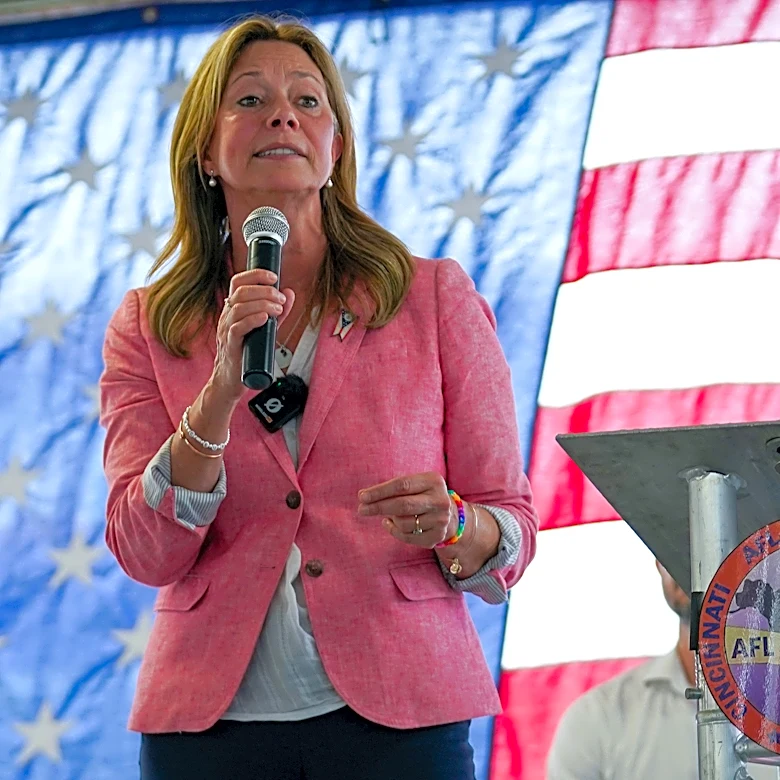
Representatives Lucy McBath (D-GA-06) and Glen 'GT' Thompson (R-PA-15) have introduced a bipartisan resolution to designate September 21-25, 2026, as 'National Hazing Awareness Week.' This initiative aims to acknowledge the hundreds of students who have suffered
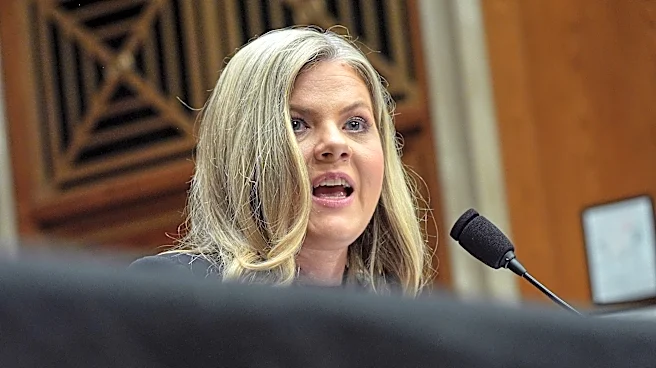
severe injuries or died due to collegiate hazing and to promote preventative measures. A companion resolution has been introduced in the Senate by U.S. Senators Amy Klobuchar (D-MN) and Bill Cassidy, M.D. (R-LA). This marks the fourth consecutive year that Representative McBath has spearheaded this resolution, emphasizing the profound impact of hazing on families. The resolution builds upon previous legislative efforts, including the bipartisan 'Stop Campus Hazing Act' signed into law in 2024, which enhanced transparency and prevention protocols for hazing incidents on college campuses. The full text of the resolution is available for review.
Why It's Important?
This bipartisan resolution is important because it underscores a continued national commitment to addressing the serious issue of hazing in educational institutions. By formally recognizing 'National Hazing Awareness Week,' Congress aims to elevate public consciousness about the dangers and consequences of hazing, which can range from severe physical and psychological harm to death. This legislative action provides a platform for educational campaigns, victim advocacy, and the promotion of safer campus environments. For students, parents, and educational administrators, it reinforces the importance of vigilance and proactive measures to prevent hazing. The involvement of both Democratic and Republican lawmakers, as well as senators, highlights a unified front against hazing, indicating that this issue transcends political divides and is recognized as a critical public safety concern affecting American youth and higher education institutions nationwide. The resolution also serves as a reminder of the 'Stop Campus Hazing Act,' reinforcing its objectives of accountability and transparency.
What's Next?
The resolution for 'National Hazing Awareness Week' will proceed through the legislative process, with the aim of securing official recognition for the designated week. This recognition is expected to catalyze various awareness campaigns and educational initiatives across U.S. college campuses and communities. Advocacy groups and educational institutions will likely leverage this week to host events, workshops, and discussions focused on hazing prevention, reporting mechanisms, and the promotion of positive campus cultures. The ongoing efforts of Representatives McBath and Thompson, along with Senators Klobuchar and Cassidy, suggest a sustained legislative focus on campus safety and student well-being. Future legislative actions could include further enhancements to reporting requirements, increased funding for anti-hazing programs, or stricter penalties for hazing offenses, as lawmakers continue to respond to the evolving challenges of campus hazing and the need for comprehensive protective measures.
Beyond the Headlines
Beyond its immediate goal of raising awareness, the 'National Hazing Awareness Week' resolution touches upon deeper societal issues concerning youth culture, institutional responsibility, and the psychological dynamics of group behavior. Hazing, often rooted in traditions of belonging and initiation, can perpetuate cycles of abuse and trauma, impacting not only the direct victims but also the broader campus community. The resolution implicitly calls for a cultural shift within collegiate organizations, moving away from harmful rituals towards constructive and inclusive forms of community building. Legally, it reinforces the evolving framework of accountability for educational institutions in preventing and responding to hazing incidents, potentially influencing future litigation and policy development regarding campus safety. Ethically, it challenges the notion that hazing is a harmless rite of passage, emphasizing the moral imperative to protect young adults from exploitation and harm, and fostering environments where respect and safety are paramount.