






What's Happening?
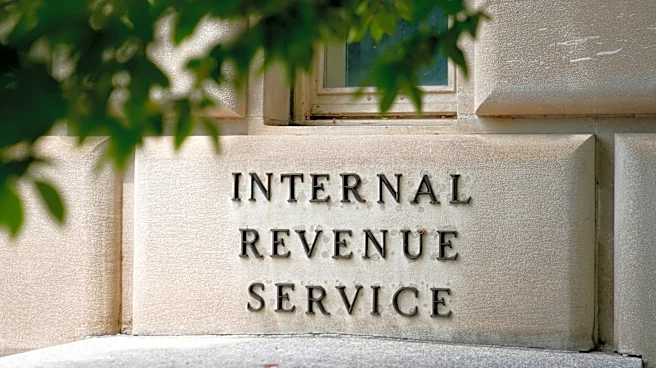
The IRS may owe refunds to millions of taxpayers who were penalized for late tax filings during the COVID-19 pandemic. A federal court ruling in the case of Kwong v. U.S. determined that emergency laws extended tax filing deadlines, potentially entitling
taxpayers to refunds for penalties assessed between January 2020 and July 11, 2023. The national taxpayer advocate has highlighted the urgency for affected individuals to apply for relief by the July 10, 2026 deadline. Eligible taxpayers include those who filed late returns, paid penalties, or filed international information returns late. The IRS had imposed over 120 million penalties during this period. The ruling is still under litigation, and taxpayers are advised to file claims to preserve their rights.
Why It's Important?
This development is significant as it could lead to substantial financial relief for millions of Americans who faced penalties during the pandemic. The potential refunds could alleviate financial burdens for low and moderate-income taxpayers who may not have professional tax representation. The case underscores the importance of understanding tax obligations and the impact of emergency legislation on tax compliance. The IRS's response and the ongoing litigation could set precedents for how similar situations are handled in the future, affecting public trust in tax administration and compliance.
What's Next?
Taxpayers are encouraged to review their IRS accounts and file claims using Form 843 to ensure they do not miss the opportunity for refunds. The IRS and the Treasury Department may continue to challenge the court's decision, which could influence the final outcome. Tax professionals and advocacy groups are likely to play a crucial role in guiding taxpayers through the claims process. The resolution of this case could impact future tax policy and the handling of penalties during national emergencies.