
What's Happening?
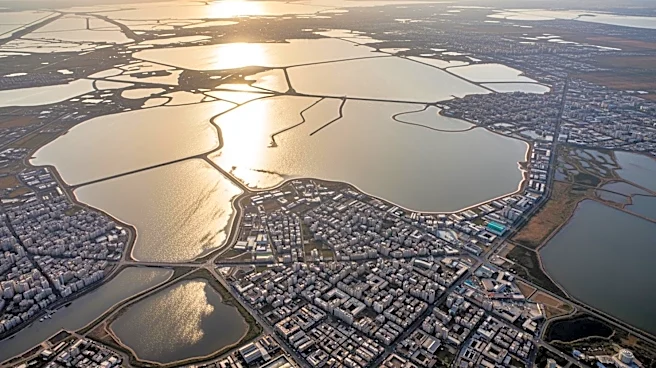
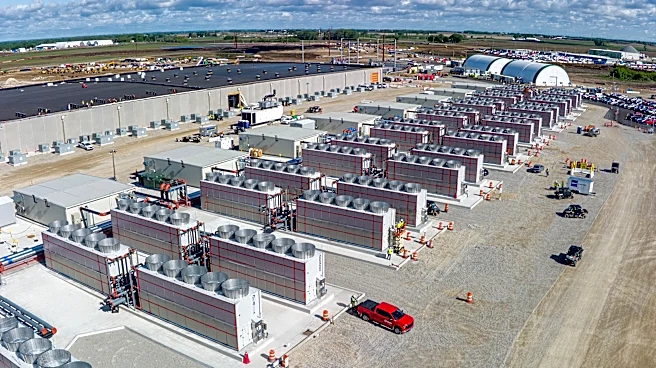
A major data center project in Utah, initially planned to be nearly three times the size of Manhattan, has been significantly reduced in scope following strong local opposition. The Stratos data center project,
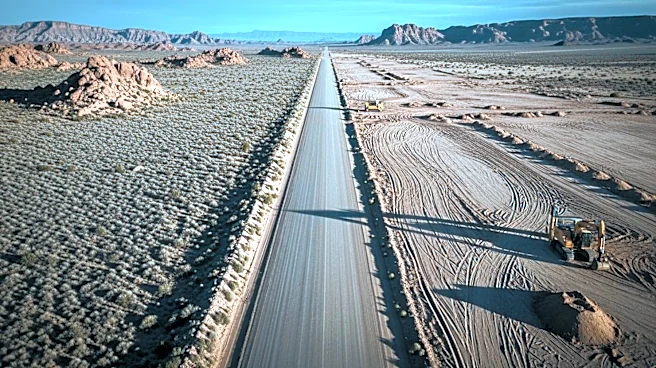
spearheaded by venture capitalist Kevin O’Leary, faced backlash primarily due to concerns over water usage, potential increases in electricity bills, and risks to air quality and local wildlife. Residents of Box Elder County, where the project was to be located, were particularly worried about the impact on the Great Salt Lake. In response to these concerns, O’Leary has agreed to cut the project size by 50%, reducing the development area from 40,000 acres to about 20,000 acres, with 10,000 acres remaining undeveloped. This decision came after Utah Senate President Stuart Adams requested a 75% reduction in the project's scope.
Why It's Important?
The reduction of the data center project highlights the growing influence of local communities in environmental decision-making. The concerns raised by Utah residents reflect broader national and global issues regarding resource management and environmental sustainability. The decision to scale back the project underscores the importance of transparency and public involvement in large-scale developments. For the tech industry, this case serves as a reminder of the potential challenges in balancing technological advancement with environmental stewardship. The outcome may influence future projects, encouraging developers to engage more proactively with local communities to address environmental and social concerns.
What's Next?
Moving forward, Kevin O’Leary has committed to improving communication with the public and ensuring transparency in the project's development. This includes providing more detailed information about permitting requests and environmental impacts. The revised project plan will likely undergo further scrutiny from both local residents and environmental groups. Additionally, the response from other stakeholders, such as state officials and environmental organizations, will be crucial in shaping the project's future. The situation may also prompt legislative or regulatory changes aimed at enhancing public participation in similar projects.