





What's Happening?
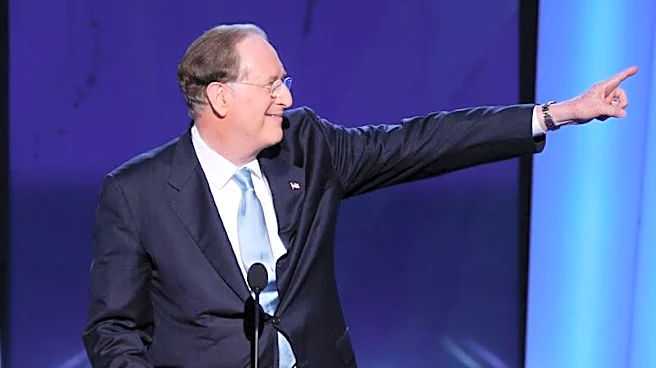
Former U.S. Senator John 'Jay' Rockefeller IV has passed away at the age of 89. Rockefeller's extensive career in public service included two terms as West Virginia's governor and 30 years representing the state in the U.S. Senate. Before his political
career, he served as president of West Virginia Wesleyan College from 1973 to 1975, a period characterized by institutional growth and increased student enrollment. His legacy in West Virginia is marked by significant contributions, such as the establishment of the county pool and recreation park in Upshur County during his governorship, and his role in the 1992 Coal Act, which protected health benefits for retired union miners. He also helped draft the MINER Act following the Sago and Aracoma mine disasters, establishing new mine safety requirements. Additionally, Rockefeller was instrumental in creating the Children’s Health Insurance Program (CHIP) in 1997, extending healthcare coverage to millions of children. The Rockefeller family also founded the Rockefeller Neuroscience Institute in 1999 at WVU, dedicated to studying Alzheimer's disease and other brain disorders, in honor of his mother, Blanchette, who suffered from Alzheimer's.
Why It's Important?
Jay Rockefeller's passing marks the end of an era for West Virginia politics and public service, highlighting a career dedicated to improving the lives of its citizens. His efforts in establishing the Children’s Health Insurance Program (CHIP) have had a lasting national impact, providing healthcare access to millions of children across the U.S. His work on the Coal Act and the MINER Act significantly influenced federal policy regarding worker safety and benefits, particularly in the mining industry, which is crucial to several U.S. states. The Rockefeller Neuroscience Institute stands as a testament to his family's commitment to medical research, contributing to the broader understanding and treatment of neurological disorders. His personal engagement with constituents and his focus on community development, as seen in his support for local infrastructure projects and educational institutions, underscore a model of public service that prioritized direct impact on everyday lives. His legacy will likely be remembered for its blend of national policy influence and deep-rooted local commitment.
What's Next?
The passing of former Senator Rockefeller will likely prompt reflections on his extensive contributions to U.S. public policy and West Virginia. Tributes from political leaders, former colleagues, and beneficiaries of his legislative work are expected to continue. Discussions may arise regarding the long-term impact of programs he championed, such as CHIP, and their continued relevance in the current healthcare landscape. Educational institutions like West Virginia Wesleyan College and West Virginia University will likely continue to honor his legacy through their programs and facilities, such as 'The Rock' gymnasium and the Rockefeller Neuroscience Institute. His legislative achievements, particularly in mine safety and healthcare, may serve as benchmarks for future policy debates. The West Virginia Democratic Party and other political entities may also use his example to inspire future generations of public servants.
Beyond the Headlines
Beyond his legislative achievements, Jay Rockefeller's career highlights a significant aspect of American political history: the transition of prominent families into public service and their enduring influence. His decision to serve as a VISTA worker in a West Virginia coalfield community before entering politics demonstrates a commitment to understanding grassroots issues, a path less common for individuals of his background. This personal connection to the state's challenges likely shaped his policy priorities, particularly in areas like mine safety and healthcare access for vulnerable populations. His tenure as a college president also underscores the interconnectedness of education and public service, showing how leadership in one sector can inform and strengthen another. His legacy extends beyond specific laws to the broader cultural impact of a public servant who maintained a personal touch and deep community ties throughout a long and distinguished career.