








What's Happening?
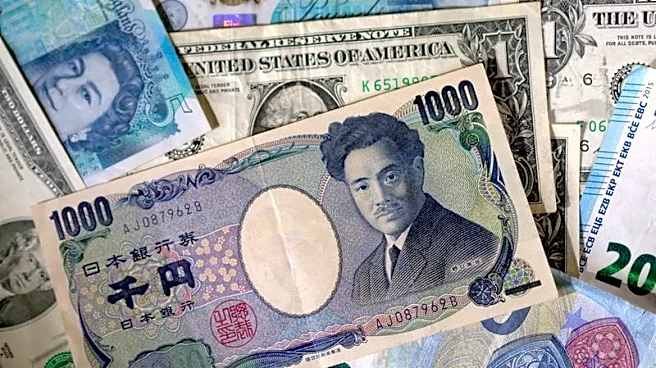
The Japanese yen has fallen to the critical 160 per dollar level, prompting warnings from Japanese authorities about potential intervention. This decline is attributed to the underlying strength of the U.S. dollar, which has been bolstered by recent hostilities
in the Middle East. The U.S. reported that Iran launched ballistic missiles towards regional neighbors, which failed to hit targets, leading to U.S. retaliatory strikes on Qeshm Island. The yen's weakness is further exacerbated by Japan's reliance on imported energy, as rising oil prices typically weaken the yen. Despite a previous intervention by Japan involving 11.7 trillion yen ($73 billion) to support the currency, the yen has returned to this critical level. Prime Minister Sanae Takaichi has indicated that authorities are prepared to respond to exchange-rate movements as necessary. Bank of Japan Governor Ueda has also suggested that the central bank may need to consider raising interest rates if inflationary risks become more pronounced.
Why It's Important?
The yen's decline to the 160 level is significant as it reflects broader economic and geopolitical tensions impacting global currency markets. For Japan, a weaker yen increases the cost of imports, particularly energy, which can exacerbate inflationary pressures. This situation places additional strain on Japan's economy, which is already dealing with the impacts of global economic uncertainties. For the U.S., the dollar's strength underscores its role as a safe-haven currency during geopolitical conflicts, which can have mixed effects on U.S. exports by making them more expensive. The potential for Japanese intervention in the currency market could lead to increased volatility, affecting international trade and investment flows. Additionally, the situation highlights the interconnectedness of global economies and the ripple effects that regional conflicts can have on financial markets worldwide.
What's Next?
Japanese authorities may consider further interventions to stabilize the yen if it continues to weaken. The Bank of Japan may also deliberate on adjusting interest rates to counter inflationary pressures, although such a move would need to be carefully balanced against potential economic downsides. Market participants will be closely watching for any official actions or statements that could signal changes in monetary policy. Additionally, ongoing tensions in the Middle East and their impact on energy prices will remain a critical factor influencing currency markets. Investors and policymakers will need to navigate these uncertainties, with potential implications for global economic stability and growth.