





What's Happening?
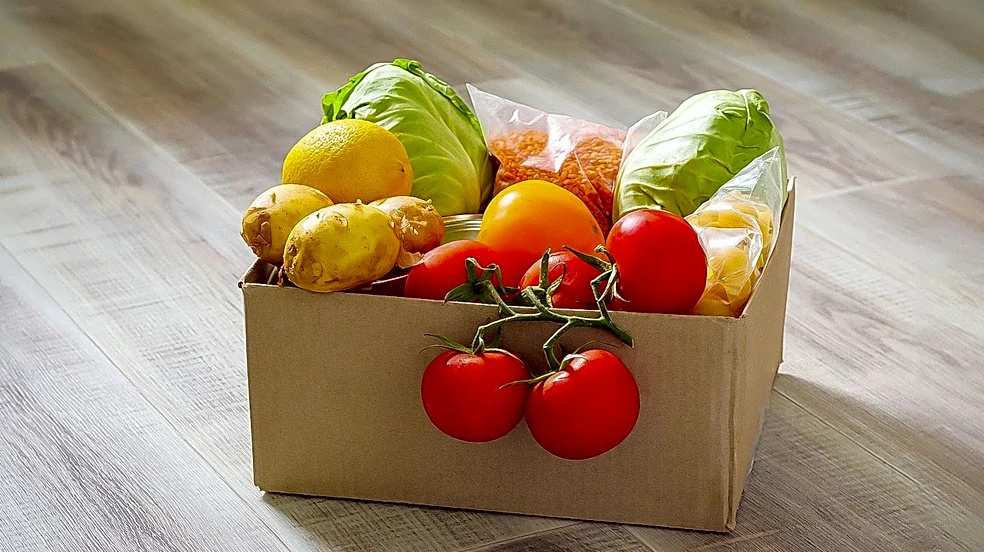
Ogden Bay Produce, a U-Pick farm in Weber County, Utah, is donating hundreds of pounds of leftover produce to local food pantries as its season concludes. Volunteers gathered to harvest a variety of peppers and tomatoes that would otherwise freeze, ensuring
the fresh food reaches families facing food insecurity. This initiative comes at a time when approximately one in seven Utahns, including residents of Weber County, are food insecure, according to the Utah Food Bank. The farm's owners, Matt and Ashley Peterson, organized the effort as a way to give back to the community that supports their wholesale and U-Pick operations. Anna Cash, who runs 'Smart Home Canning' and helps collect unused produce, collaborated with Ogden Bay Produce to distribute the harvest to organizations like the Weber Fridge, Catholic Community Services, and the Tri-City Exchange. The community-driven effort aims to address the increasing need for food assistance, which has been exacerbated by local economic factors, such as the shutdown of the IRS building in Ogden.
Why It's Important?
This local initiative highlights the critical role community farms and volunteer efforts play in addressing food insecurity in the U.S. The donation of fresh produce directly impacts vulnerable populations by providing nutritious options that might otherwise be inaccessible. Many food banks and pantries often struggle to provide fresh, healthy food, relying heavily on non-perishable items. This effort by Ogden Bay Produce helps bridge that gap, offering a direct and immediate benefit to families in need. Furthermore, it underscores the resilience and generosity within communities, demonstrating how local businesses and residents can collaborate to mitigate social challenges. The rising numbers of food-insecure individuals, as noted by the Utah Food Bank, indicate a broader economic strain affecting many households, making such local support systems increasingly vital. The initiative also raises awareness about food waste, transforming potential waste into valuable resources for the community.
What's Next?
The success of this volunteer-led harvest at Ogden Bay Produce may inspire similar initiatives at other U-Pick farms or agricultural operations as their seasons conclude. The collaboration between farms, volunteers, and food distribution organizations like the Weber Fridge, Catholic Community Services, and the Tri-City Exchange could serve as a model for expanding fresh produce donations to food-insecure communities. Continued efforts will likely focus on sustaining these partnerships and potentially scaling them to reach a wider population. As food insecurity remains a persistent issue, especially with ongoing economic fluctuations, the demand for such programs is expected to grow. Future steps might include establishing more formal networks for gleaning and distributing surplus produce, as well as encouraging more farms to participate in similar charitable endeavors. The community's response to this effort suggests a strong willingness to support and expand these types of local aid programs.
Beyond the Headlines
This story reflects a deeper societal trend of increasing reliance on local community support systems to address fundamental needs like food security. Beyond the immediate relief provided, such initiatives foster a sense of community solidarity and mutual aid, which can strengthen social cohesion. It also brings attention to the often-overlooked issue of food waste in agriculture, demonstrating a practical and impactful way to redirect edible produce from going to waste. The involvement of a sixth-generation farmer like Matt Peterson in a U-Pick model, which aims to connect people with farming and fresh food, also speaks to a growing desire for transparency and local sourcing in the food system. This movement towards local food systems and community-supported agriculture can have long-term benefits for local economies, environmental sustainability, and public health, by promoting healthier eating habits and reducing the carbon footprint associated with long-distance food transportation.