






What's Happening?
Memorial Sloan Kettering Cancer Center (MSK) and OpenEvidence have announced a partnership to advance precision oncology by integrating MSK's OncoKB™ knowledge base into OpenEvidence. This collaboration aims to provide clinicians nationwide with expert
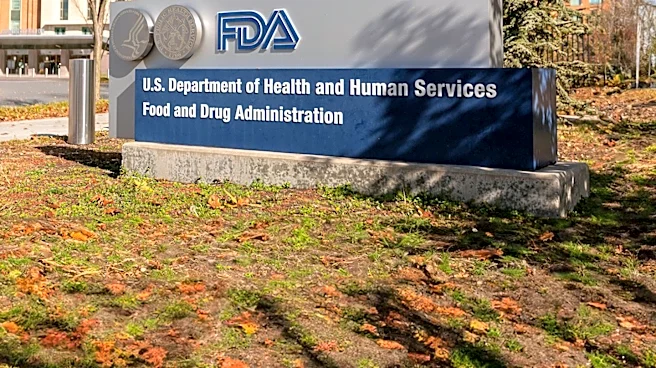
interpretation of cancer genomics directly within electronic health records (EHRs). OncoKB™, which is partially recognized by the U.S. Food and Drug Administration (FDA), offers evidence-based assertions on genetic alterations in cancer that can guide treatment decisions. The integration will allow OncoKB's curated content, including oncogenic effects, levels of evidence, and associated therapies, to be surfaced within OpenEvidence and Epic EHRs, alongside patient context. This initiative seeks to translate complex genomic reports into clear, evidence-based treatment paths, making MSK's expertise accessible to a broader network of cancer care providers across the U.S. More than half of U.S. hematologist-oncologists currently use OpenEvidence for complex oncology questions.
Why It's Important?
This partnership is significant for U.S. healthcare as it addresses a critical challenge in precision oncology: the effective translation of vast genomic knowledge into actionable clinical decisions at the point of care. By integrating OncoKB™ into OpenEvidence and EHR systems, the initiative aims to standardize and streamline the use of genomic data in cancer treatment. This could lead to more personalized and effective therapies for cancer patients by ensuring that treatment decisions are informed by the most current and expert-curated genomic information. The collaboration also democratizes access to MSK's specialized expertise, potentially reducing disparities in cancer care across different regions and institutions. For the healthcare industry, this represents a step towards broader adoption of AI and advanced data integration in clinical practice, potentially improving patient outcomes and optimizing resource allocation in oncology.
What's Next?
The immediate next step involves the full integration of OncoKB™ into OpenEvidence and MSK's Epic EHR workflow, making the expert genomic interpretations available to clinicians. This will enable cancer care providers across the U.S. to utilize MSK's curated data for molecularly informed treatment decisions. The partnership is expected to launch a new oncology workflow, combining OncoKB™ with OpenEvidence's EHR integration, patient-aware clinical intelligence, and medical AI. Future developments may include further expansion of this integrated system to more healthcare providers and potentially the incorporation of additional genomic and clinical data sources. The collaboration also sets a precedent for how leading medical institutions can leverage AI and data platforms to disseminate specialized knowledge and improve clinical practice on a national scale.
Beyond the Headlines
This collaboration highlights a deeper trend in modern medicine: the increasing reliance on artificial intelligence and sophisticated data platforms to manage and interpret complex medical information. The ethical implications of AI-driven clinical decision support systems, such as ensuring data privacy, algorithmic transparency, and accountability, will become more prominent. Culturally, this shift could redefine the role of the clinician, moving towards a model where human expertise is augmented by AI tools, allowing for more precise and evidence-based care. Long-term, this integration could accelerate the pace of precision oncology research and development by generating a larger, more diverse dataset of real-world clinical applications and outcomes, ultimately shaping future cancer treatment paradigms and potentially influencing regulatory frameworks for AI in medicine.