




What's Happening?
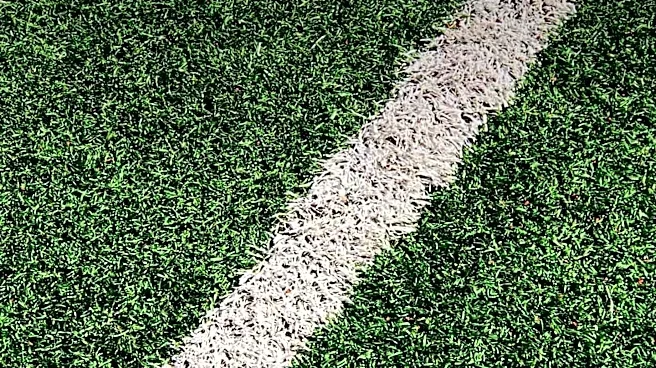
Montgomery County leaders, including County Executive Marc Elrich, are strongly opposing a $55 million plan by Montgomery County Public Schools (MCPS) to convert all remaining athletic fields to artificial turf. Elrich, supported by experts, parents,
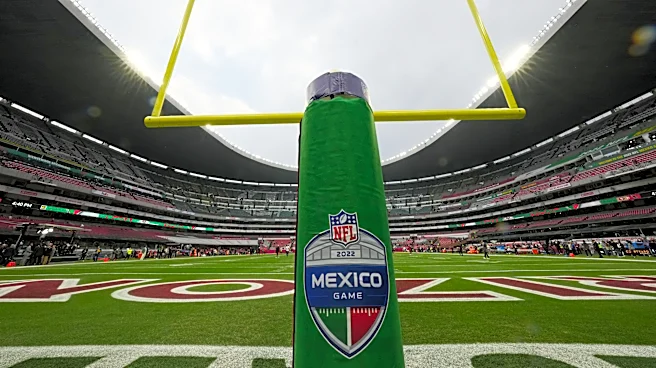
and student-athletes, argues that natural grass fields are a safer and more environmentally friendly alternative. He highlighted a growing trend in professional sports, where elite NFL athletes are increasingly demanding natural grass surfaces. MCPS began converting grass fields to artificial turf a decade ago and currently maintains turf at 12 high schools, one middle school, and two elementary schools. The district's plan aims to convert all remaining school fields over the next six years, with an estimated cost of up to $55 million. Critics, including MCPS parent Hannah Donart, an environmental and public health scientist, point out the significant cost difference, noting that converting a field to artificial turf can cost millions more than redoing an existing grass field. Donart also emphasized that the county is facing a budget crisis with significant backlogs in HVAC repairs and issues like mold in classrooms and lead in water fountains, suggesting funds should be prioritized for indoor facilities where students spend most of their time. MCPS, however, defends its plan, stating that artificial turf offers greater durability and access, making it ideal for high-use areas, and cites lower long-term maintenance costs and equitable playing surfaces as benefits.
Why It's Important?
This dispute in Montgomery County highlights a broader national debate regarding the use of artificial turf versus natural grass in athletic facilities, particularly within school systems. The financial implications are substantial, with a $55 million plan coming at a time when the county faces significant budget challenges and critical infrastructure needs within school buildings. This raises questions about fiscal responsibility and resource allocation in public education. Beyond cost, the controversy touches on health and environmental concerns, as critics argue that artificial turf poses risks to student-athletes and the environment, while proponents emphasize durability and accessibility. The pushback from county leaders and community groups reflects a growing awareness of these issues and a demand for transparency and accountability in public spending. The outcome of this 'turf war' could influence similar decisions in other school districts across the U.S., setting precedents for how communities balance athletic facility upgrades with broader educational and environmental priorities. It also underscores the tension between local government oversight and the autonomy of school boards in managing their budgets and facilities.
What's Next?
Montgomery County Public Schools (MCPS) has stated its intention to move forward with the artificial turf installations as planned, despite opposition from county leaders. This indicates a potential standoff between the school district and the county executive's office. The district will likely continue to defend its plan by emphasizing the benefits of artificial turf, such as durability, accessibility, and lower long-term maintenance costs. Critics, including County Executive Marc Elrich and parent groups like 'Real Grass for Healthy Kids,' are expected to continue advocating for natural grass fields and pushing for funds to be reallocated to address pressing indoor facility issues. This could involve further public discourse, community meetings, and potentially legal or political challenges to the school district's plan. The debate may also prompt a more detailed examination of the environmental and health impacts of artificial turf, potentially leading to new studies or policy recommendations at the local or state level. The resolution of this conflict will likely depend on ongoing negotiations, public pressure, and the ultimate decision-making authority regarding school district budgets and capital projects.
Beyond the Headlines
The 'turf war' in Montgomery County extends beyond a simple choice between grass and artificial surfaces; it reflects deeper societal values concerning public health, environmental stewardship, and the allocation of taxpayer money. The debate over artificial turf brings to light concerns about microplastic pollution, heat island effects, and potential health risks from chemicals in synthetic materials, contrasting with the perceived benefits of durability and reduced maintenance. This conflict also underscores the complex relationship between local government and independent school districts, where differing priorities and budgetary constraints can lead to significant disagreements. Ethically, the question arises whether it is responsible to invest heavily in outdoor athletic facilities when indoor learning environments face critical deficiencies. Culturally, the preference for natural grass often aligns with a desire for more organic, less industrialized public spaces, while artificial turf represents a modern, efficiency-driven approach. The outcome could influence how communities nationwide prioritize investments in public infrastructure, balancing immediate utility with long-term environmental and health considerations, and fostering a more holistic approach to community development.