




What's Happening?
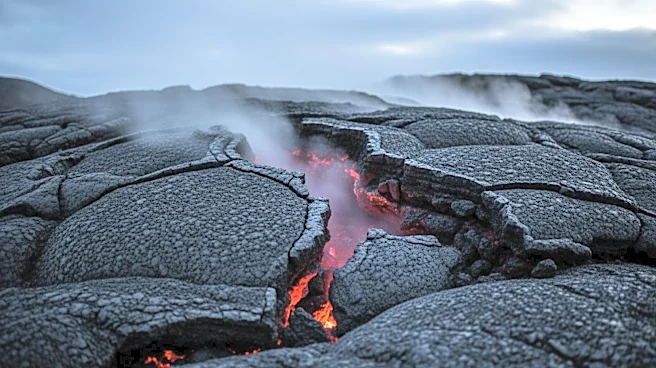
Two engineering students from the University of Melbourne have successfully brought to life a mechanical artwork first imagined in 1775 by Sir William Hamilton, a British ambassador and volcanology enthusiast. The project aimed to recreate the eruption
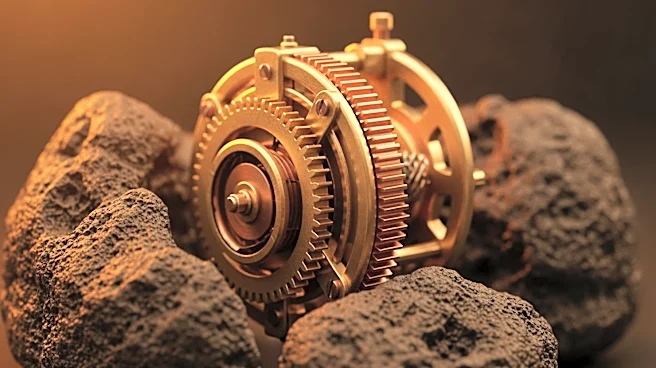
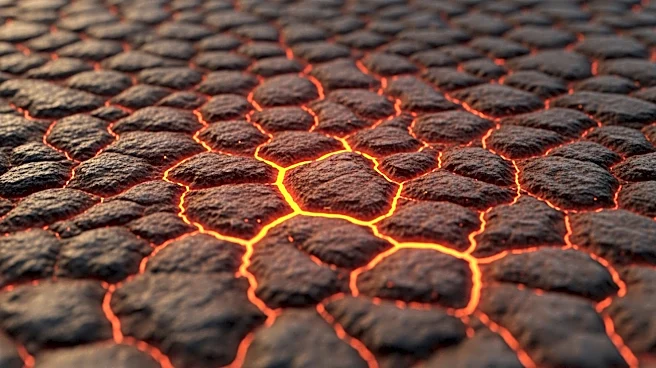
of Italy's Mount Vesuvius using modern technology. Inspired by an 18th-century watercolor and a preserved sketch, the students used LED lighting and electronic systems to simulate the glowing flows and explosive drama of the volcano. The original concept by Hamilton blended artistic expression with mechanical design to capture the dramatic visual effects of a volcanic eruption. The students, Xinyu Xu and Yuji Zeng, spent three months building the device, adapting Hamilton's clockwork-based design with modern materials and technologies.
Why It's Important?
This project highlights the intersection of historical art and modern engineering, showcasing how contemporary technology can bring historical concepts to life. It serves as a unique example of science communication, engaging the public's fascination with natural phenomena like volcanic eruptions. The project also provided valuable hands-on learning opportunities for the students, enhancing their skills in programming, soldering, and mechanical engineering. Such initiatives can inspire future collaborations between the arts and sciences, promoting interdisciplinary learning and innovation.
What's Next?
The completed mechanical volcano is now the centerpiece of The Grand Tour exhibition at the University of Melbourne's Baillieu Library, where it will be on display until June 28, 2026. This exhibition offers the public a chance to witness the blend of historical and modern engineering, potentially sparking interest in similar projects. The success of this project may encourage other educational institutions to explore similar interdisciplinary projects, fostering a deeper appreciation for historical scientific endeavors.