







What's Happening?
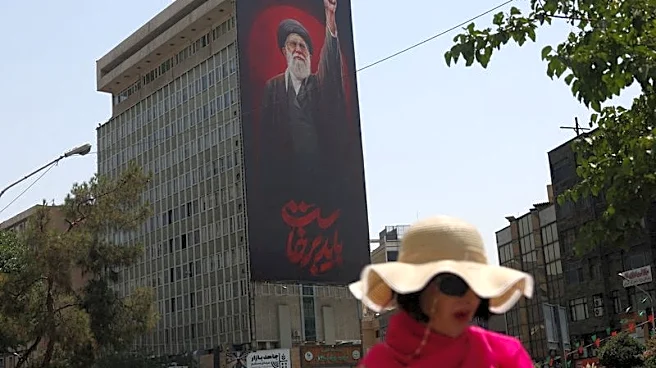
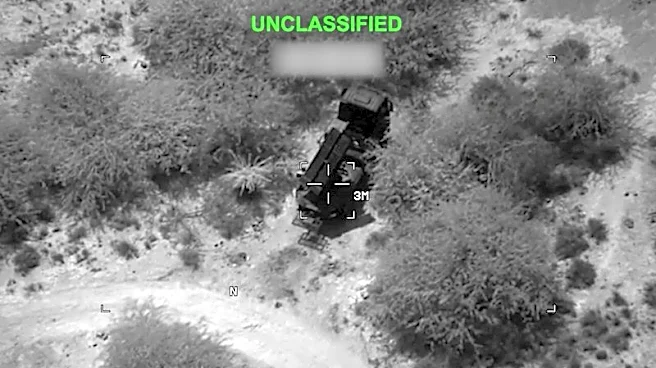
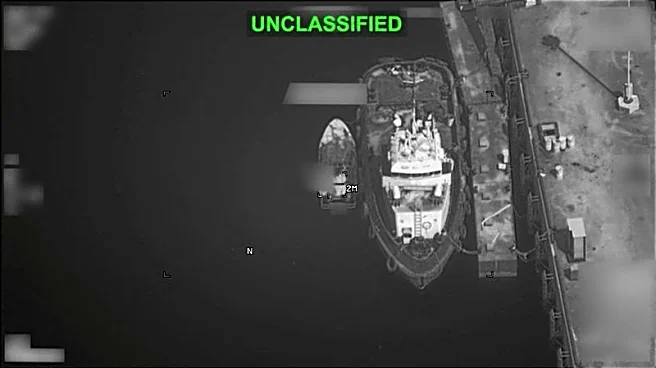
The United States and Iran have paused their military attacks for a second consecutive day as both nations engage in efforts to negotiate an interim ceasefire deal. This pause follows a period of heightened tensions marked by the U.S. targeting Iranian
coastal areas and infrastructure, which was a response to Iran's firing at ships in the Strait of Hormuz. The reasons for the pause remain unclear, but it is seen as a positive signal by regional officials involved in mediation efforts. The interim ceasefire deal, signed in mid-June, is now in its second half, with major issues such as Iran's nuclear program still unresolved. Both countries are reportedly interested in returning to the ceasefire agreement, with negotiations focusing on reducing restrictions for ship transit through the Strait of Hormuz.
Why It's Important?
The pause in hostilities between the U.S. and Iran is significant as it opens a window for diplomatic efforts to de-escalate tensions in a region critical to global energy supplies. The Strait of Hormuz is a vital waterway for oil transit, and any disruption could have severe implications for global oil prices and economic stability. The ongoing negotiations aim to ensure the safe passage of ships, which is crucial for maintaining the flow of oil and other goods. The situation also impacts regional security, as Iranian-backed Houthi rebels have threatened to blockade Saudi shipping in the Bab al-Mandeb strait, further complicating the geopolitical landscape. Successful negotiations could lead to a more stable Middle East, benefiting global markets and reducing the risk of military conflict.
What's Next?
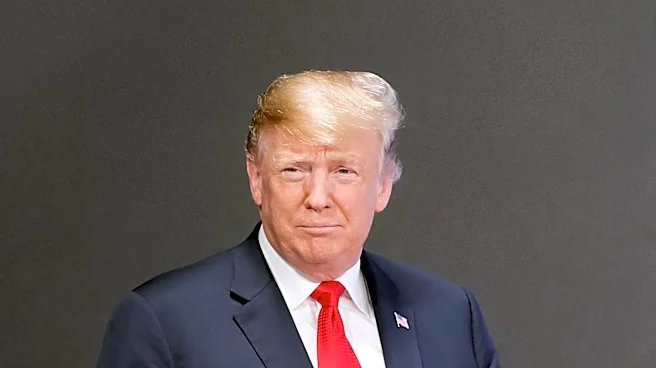
Both the U.S. and Iran are expected to continue diplomatic talks to solidify the interim ceasefire deal. A key focus of these negotiations is the management of vessel transit through the Strait of Hormuz, with Iran seeking fewer restrictions. The outcome of these talks could influence future U.S. military and foreign policy in the region. Additionally, Israeli Prime Minister Benjamin Netanyahu plans to meet with President Trump in Washington to discuss the situation, indicating potential shifts in regional alliances and strategies. The international community will be closely monitoring these developments, as they could have far-reaching implications for global security and economic stability.