




What's Happening?
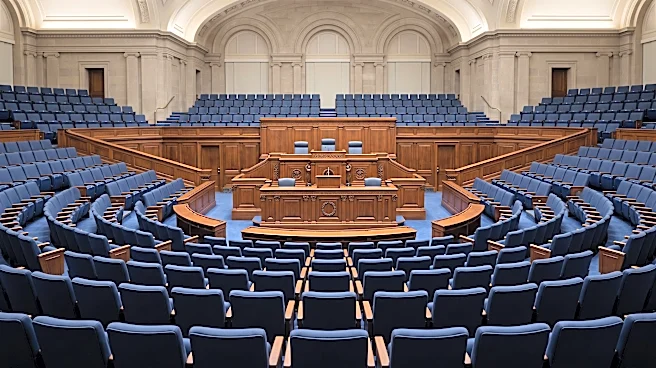
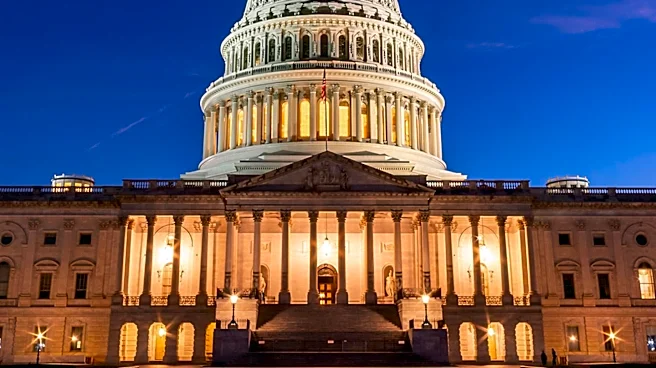
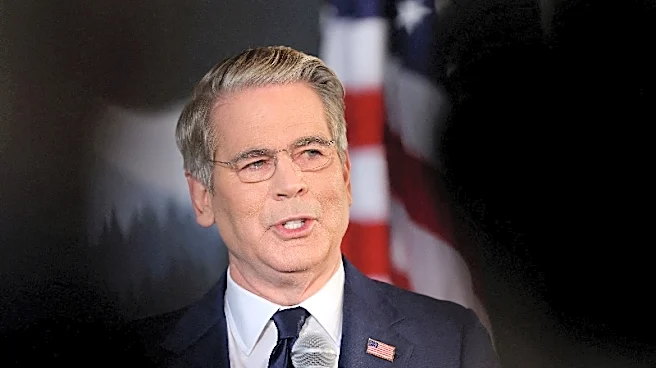
The U.S. House Rules Committee is currently debating the Lindsey O. Graham Sanctioning Russia and Iran Act of 2026 (H.R.10076). Representative Gregory W. Meeks, Ranking Member of the House Foreign Affairs Committee, has voiced strong opposition to the bill,
arguing that it is deeply flawed. According to Meeks, while the bill is ostensibly about imposing new sanctions on Russia, its primary effect would be to grant President Trump sweeping new tariff authorities. Meeks stated that the bill was drafted by White House lawyers to maximize the President's power to impose import taxes on Americans and minimize any obligation to actually sanction Russia. He highlighted that the President already possesses the authority to impose the sanctions outlined in the bill but has chosen not to use them for the past 19 months. Meeks also expressed concern that Section 113 of the bill would allow the President to impose tariffs of up to 100 percent on goods from major purchasers of Russian oil and gas and 'top oil sanctions evaders' without clear definitions, potentially leading to increased gas and food prices for American households.
Why It's Important?
This legislative debate is significant because it touches upon the balance of power between the executive and legislative branches regarding trade and foreign policy. Granting President Trump broad, unchecked tariff authority, as Representative Meeks suggests, could lead to unpredictable economic consequences for American consumers and businesses. The potential for tariffs of up to 100 percent on a wide range of imports could significantly drive up the cost of living, impacting household budgets already strained by energy costs. Furthermore, the bill's critics argue that it fails to genuinely strengthen sanctions against Russia, instead providing a pretext for the President to impose tariffs on countries based on personal grievances. This could undermine the stated goal of punishing Russia for its actions in Ukraine and instead create new trade disputes, potentially alienating allies and disrupting global supply chains. The debate also highlights concerns about the legislative process, with Meeks noting that the House of Representatives had no involvement in drafting the bill, which was reportedly pushed by the President.
What's Next?
The bill's future hinges on the ongoing debate within the House Rules Committee and potential amendments. Representative Meeks has proposed several amendments, including removing secondary tariffs, authorizing foreign military financing for Ukraine, tightening waiver language for sanctions, and clarifying that the EU cannot be tariffed as a bloc. If the bill proceeds without significant changes to its tariff provisions, it is likely to face continued opposition from those concerned about its economic impact and the expansion of presidential power. The outcome will determine whether President Trump gains the broad tariff authorities he reportedly seeks and whether the U.S. approach to sanctioning Russia and Iran shifts towards a more tariff-centric strategy. The debate also sets the stage for potential conflicts between the White House and Congress over trade policy and the use of executive power.
Beyond the Headlines
The controversy surrounding this bill extends beyond immediate economic and political implications, touching on fundamental constitutional principles regarding the delegation of power. Representative Meeks explicitly invoked the founders' intent, suggesting that giving the Executive Branch more power over an issue constitutionally delegated to Congress is problematic. This debate could reignite broader discussions about the scope of presidential authority in trade matters, particularly concerning the use of tariffs as a foreign policy tool. The bill's potential to allow tariffs based on vague criteria like 'top oil sanctions evaders' raises questions about due process and the rule of law in international trade. Moreover, the assertion that the bill was drafted by White House lawyers to serve the President's agenda rather than going through traditional legislative channels highlights concerns about executive overreach and the erosion of congressional oversight. This could set a precedent for future legislation, where executive priorities bypass standard legislative scrutiny, potentially weakening democratic checks and balances.