







What's Happening?
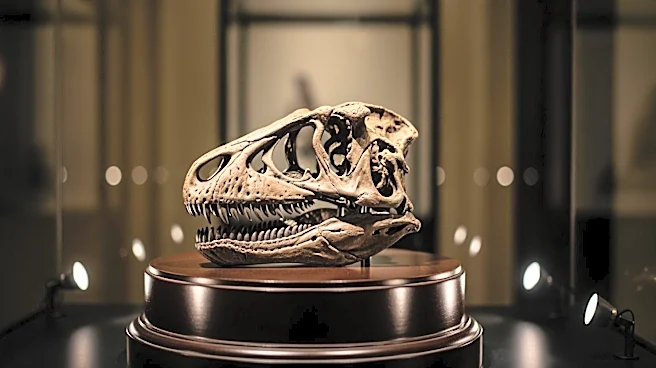
A rare dinosaur skull, known as the Irritator challengeri, is set to be returned to Brazil from the State Museum of Natural History in Stuttgart, Germany. The fossil, which is the most complete spinosaurid skull known, was purchased by the museum in 1991.
It was later discovered that the skull originated from Brazil, where a 1942 law states that fossils belong to the state and can only be exported with a permit. The return of the skull is part of a broader global effort to repatriate cultural and scientific artifacts to their countries of origin. This move follows campaigns by Brazilian scientists and international experts who highlighted the ethical concerns of housing such fossils outside their country of origin.
Why It's Important?
The return of the Irritator skull is significant as it represents a shift towards more ethical practices in the handling of fossils and other cultural artifacts. This decision underscores the importance of respecting national laws and cultural heritage, and it may set a precedent for future restitutions. The move is seen as a step towards decolonizing science and ensuring that countries of origin can benefit from their own natural history. It also highlights the importance of international cooperation in scientific research, as both Germany and Brazil have expressed a commitment to continue collaborating in the field of paleontology.
What's Next?
While no specific date has been set for the return of the skull, the joint declaration by Germany and Brazil indicates a willingness to proceed with the handover. This case may encourage other countries to review the origins of their fossil collections and consider similar restitutions. It also opens the door for new collaborative programs that could allow scientists from countries like Brazil to study specimens abroad, fostering a more inclusive and equitable scientific community.
Beyond the Headlines
The return of the Irritator skull raises broader questions about the ethics of scientific research and the legacy of colonial practices in the field. It challenges museums and research institutions to reconsider how they acquire and display artifacts, and to engage more actively with the countries of origin. This case also highlights the potential for science to bridge cultural and national divides, promoting a more global understanding of our shared history.