





What's Happening?
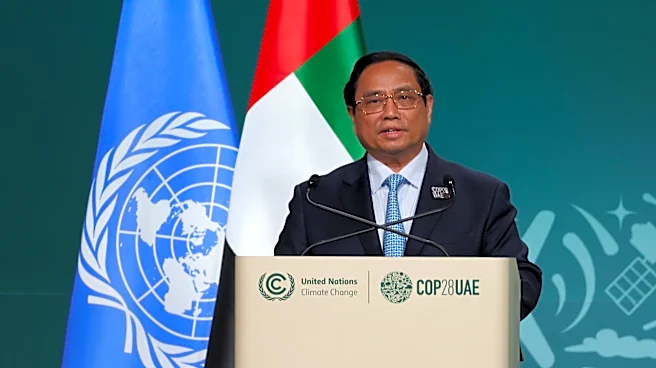
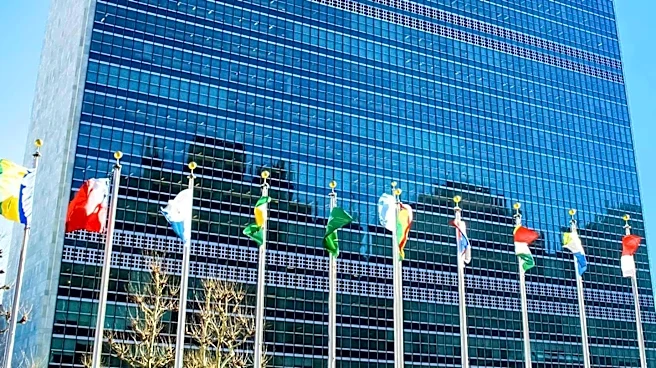
At the United Nations Climate Change Conference (COP31), a global coalition of 25 countries, co-led by France and Brazil, formally launched its 'Implementation Taskforce.' This initiative, known as the Blue NDC Challenge, aims to accelerate ocean-based
climate action by helping member countries meet their climate goals. The taskforce will leverage the ocean's potential to reduce emissions, build resilience, and protect marine ecosystems. This launch builds upon groundwork established since the third UN Ocean Conference in 2025 and occurs midway through a critical decade for ocean climate diplomacy. The taskforce brings together national governments, expert practitioners, development banks, and institutional investors to mobilize political backing for implementing ocean-climate commitments. A first cohort of 23 delivery partners, including experts in maritime transport, energy, aquatic foods, marine conservation, climate finance, scientific research, and policy, will support countries in overcoming implementation barriers. New data indicates that over 60% of ocean commitments in national climate plans risk stalling without technical and financial aid, with 95% of coastal nations including ocean solutions in their climate plans but many lacking the resources to implement them.
Why It's Important?
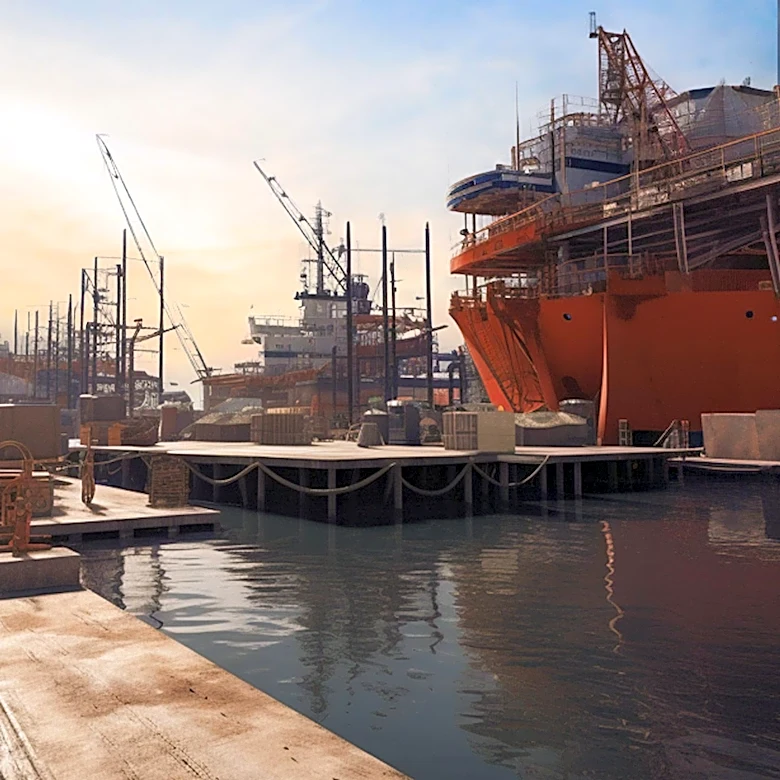
The launch of the Blue NDC Challenge's Implementation Taskforce is crucial because it addresses a significant gap between climate ambition and practical implementation, particularly concerning ocean-based solutions. Many coastal nations have integrated ocean solutions into their national climate plans, but a substantial portion of these pledges are conditional on external funding or technical assistance. This taskforce aims to bridge that gap by connecting countries with the necessary expertise, partnerships, and financing. The focus on ocean health is vital as oceans play a critical role in climate regulation, absorbing a large percentage of excess heat. The initiative seeks to accelerate decarbonization of maritime transport, which accounts for nearly 35% of ocean-based emissions-reduction targets, and promote marine protection and food security. Without such coordinated efforts, the potential for oceans to contribute to climate mitigation and adaptation may remain largely untapped, impacting global climate goals and the resilience of vulnerable coastal communities.
What's Next?
The Implementation Taskforce will now focus on connecting countries with the technical expertise, partnerships, and financing opportunities required to translate ocean-climate commitments into concrete actions. This will involve supporting the design and implementation of national ocean-climate commitments across various solutions, including maritime transport, energy, aquatic foods, and marine conservation. The taskforce will also work to track implementation progress and share best practices among its members. Further efforts will be directed towards mobilizing political backing to accelerate the delivery of the next generation of climate plans in line with the Paris Agreement goals. The coalition invites more countries to join its efforts, aiming to expand its reach and impact. The success of this initiative will depend on the effective collaboration between governments, expert organizations, and financial institutions to ensure that commitments translate into tangible benefits for people, nature, and the climate.
Beyond the Headlines
The establishment of this taskforce highlights a broader recognition of the ocean's integral role in climate action, moving beyond traditional land-centric approaches to climate policy. It underscores the growing understanding that ocean health is inextricably linked to global climate stability and human well-being. The initiative also brings to light the significant financial and technical disparities between nations, where many developing and middle-income countries possess the ambition but lack the resources to implement critical climate solutions. This situation raises ethical questions about global responsibility and equitable resource distribution in addressing climate change. Furthermore, the focus on decarbonizing maritime transport signals a shift towards addressing emissions from sectors that have historically been challenging to regulate, potentially driving innovation in clean energy technologies for shipping. The taskforce's success could set a precedent for more integrated and collaborative approaches to global environmental governance, emphasizing the interconnectedness of ecological systems and the need for collective action.