


What's Happening?
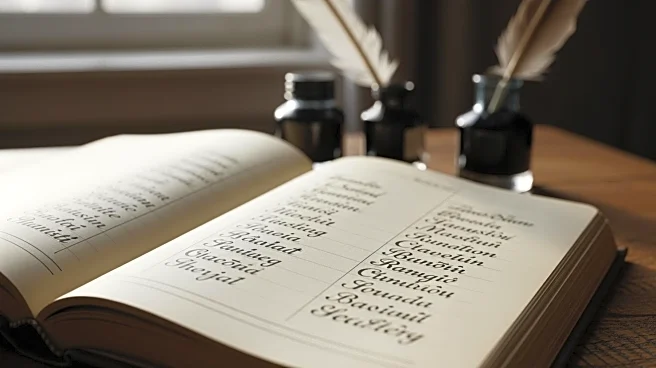
The tradition of using two surnames is common in Spain and Latin America, reflecting familial relationships. In the U.S., this practice can lead to bureaucratic challenges. Many Hispanic individuals opt to use only their paternal surname to conform to American
norms. However, some continue to use both surnames, hyphenate them, or combine them to avoid confusion. Susana Pimiento, originally from Colombia, has faced difficulties in maintaining her two surnames in official documents, highlighting the complexities of adapting Hispanic naming conventions in the U.S.
Why It's Important?
The adaptation of Hispanic surnames in the U.S. underscores the broader challenges of cultural integration and identity preservation. As the Hispanic population continues to grow, these naming conventions may influence societal norms and administrative practices. Understanding and accommodating these traditions can foster inclusivity and respect for cultural diversity. The issue also highlights the need for flexibility in bureaucratic systems to accommodate diverse naming practices, which can impact personal identity and legal documentation.
What's Next?
Efforts to streamline bureaucratic processes for individuals with Hispanic surnames may be considered to reduce confusion and ensure accurate documentation. Advocacy for cultural sensitivity in administrative practices could lead to policy changes that better accommodate diverse naming conventions. Additionally, educational initiatives may be implemented to raise awareness about Hispanic naming traditions, promoting understanding and acceptance within broader society.
Beyond the Headlines
The challenges faced by individuals with Hispanic surnames in the U.S. reflect broader issues of cultural assimilation and identity preservation. These experiences may influence discussions on immigration policies and multiculturalism. The adaptation of naming conventions can also impact personal identity, affecting how individuals perceive themselves and are perceived by others. This issue may prompt further exploration of the intersection between cultural heritage and modern societal norms.