








What's Happening?
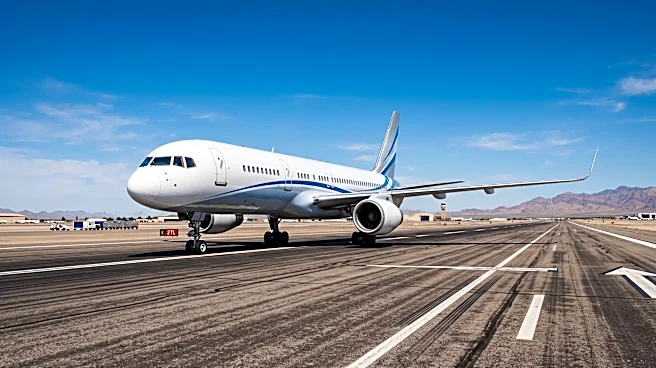
Sun d'Or, a subsidiary of El Al Group, has announced the postponement of its planned route launch to Marrakech, Morocco, and the cancellation of all flights to the city through December 15. This decision follows instructions from Israeli security authorities.
The airline was scheduled to begin its Marrakech service on November 16. Affected passengers are being offered three options: a full refund, a credit voucher for future travel, or a transfer to another El Al or Sun d'Or destination in Europe without additional charges, provided the new flight departs within three days of the original date. Sun d'Or's announcement comes after similar actions by other Israeli airlines; Arkia suspended ticket sales to Marrakech, and Israir halted its plans to expand Marrakech operations and stopped selling tickets. These measures are a response to heightened aviation security requirements implemented after an attempted attack on a Flydubai flight on September 30.
Why It's Important?
The suspension of flights by Sun d'Or and other Israeli airlines to Marrakech signifies a significant disruption to air travel between Israel and Morocco, impacting tourism and business ties that have been developing since the normalization of relations. For passengers, it means canceled travel plans and the inconvenience of rebooking or seeking refunds. For the airlines, it represents a loss of revenue from a potentially lucrative route and operational challenges in reallocating resources. More broadly, these actions highlight the critical role of security directives in international aviation, demonstrating how geopolitical events and security concerns can directly influence airline operations and passenger mobility. The incident on the Flydubai flight has prompted a re-evaluation of security protocols, indicating a potential shift towards stricter measures for flights to and from Israel, which could have wider implications for international air travel security.
What's Next?
Sun d'Or stated it is in continuous contact with security officials and relevant authorities to obtain the necessary approvals to operate the Marrakech route and will provide updates. It remains uncertain whether flights will resume after December 15. The situation suggests that Israeli airlines will continue to operate under heightened security scrutiny, potentially leading to further adjustments in their international flight schedules or operational procedures. Passengers planning travel between Israel and Morocco should monitor airline announcements closely. The ongoing security review by Israeli authorities could result in new, permanent security protocols for all flights to and from Israel, which might affect travel times, check-in processes, and overall passenger experience in the long term. The decisions of Arkia and Israir regarding their Marrakech services will also be closely watched.
Beyond the Headlines
The suspension of flights to Marrakech by Israeli carriers underscores the fragile nature of international travel in the face of security threats and geopolitical tensions. While the immediate impact is on specific routes and passengers, the broader implication is a reminder of how quickly travel corridors can be affected by security concerns. This situation could lead to a re-evaluation of risk assessments for airlines operating in certain regions, potentially influencing future route development and investment decisions. Furthermore, it highlights the complex interplay between national security, airline economics, and passenger convenience. The incident also serves as a stark reminder of the constant need for vigilance and adaptation in aviation security, as threats evolve and require dynamic responses from authorities and airlines alike, potentially shaping the future of air travel security protocols globally.