





What's Happening?
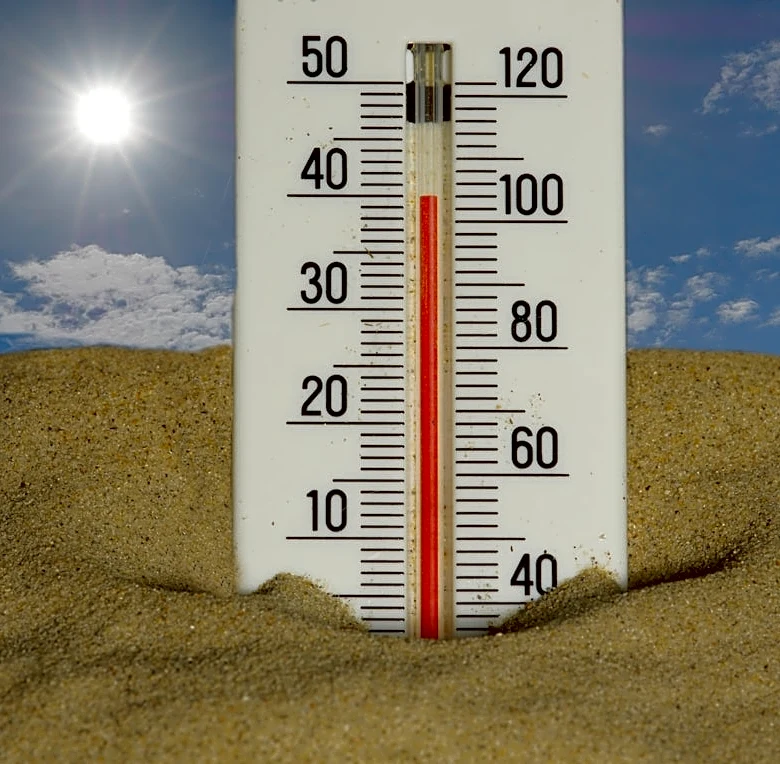
Oklahoma is experiencing a persistent heatwave, with triple-digit temperatures continuing into Labor Day. This marks the hottest Labor Day for the state since 2012. Forecasts indicate mostly sunny skies and light southeast breezes. While isolated storms
may occur in eastern Oklahoma during the afternoon, their frequency is expected to be lower than on Sunday. The high temperatures are projected to remain above 100 degrees Fahrenheit through Wednesday, with heat indices potentially reaching as high as 109 degrees Fahrenheit. Overnight lows are also warm, staying in the upper 70s to near 80 degrees Fahrenheit. This extended period of extreme heat is attributed to a dominant heat dome over the region.
Why It's Important?
The prolonged heatwave in Oklahoma carries significant implications for public health, energy consumption, and local economies. High temperatures and heat indices pose a substantial risk of heat-related illnesses, particularly for vulnerable populations such as the elderly, children, and outdoor workers. This necessitates increased public awareness and access to cooling centers. The sustained demand for air conditioning will likely strain the state's power grid, potentially leading to higher energy costs for residents and businesses. Agricultural sectors could also face challenges, with crops and livestock susceptible to heat stress. The economic impact extends to outdoor events and tourism, which may see reduced participation due to the extreme weather conditions, affecting local businesses reliant on such activities.
What's Next?
The heat dome is anticipated to weaken by Thursday, allowing a cool front to move into Oklahoma. This shift in weather patterns is expected to bring a chance of scattered showers and storms from Wednesday night into Thursday. Consequently, high temperatures on Thursday are projected to drop closer to the lower 90s, accompanied by increased cloud cover and rain. However, the heat is forecast to briefly strengthen again as the upcoming weekend approaches. Meteorologists will continue to monitor the situation, as another potential weakening of the heat dome early next week could introduce additional cold fronts to the region, offering further relief from the extreme temperatures.
Beyond the Headlines
The recurring and intense heatwaves, such as the one currently affecting Oklahoma, underscore broader climate trends and their impact on regional weather patterns. These events highlight the increasing frequency and severity of extreme weather, prompting discussions about long-term climate adaptation strategies. For Oklahoma, this could involve re-evaluating infrastructure resilience, particularly concerning power grids and water resources, to better withstand prolonged periods of high temperatures. There's also a growing need for public health initiatives focused on heat stress prevention and emergency response. The economic ramifications may drive innovation in heat-resistant agriculture and energy-efficient cooling technologies, influencing policy decisions and investment in sustainable practices across the state.