







What's Happening?
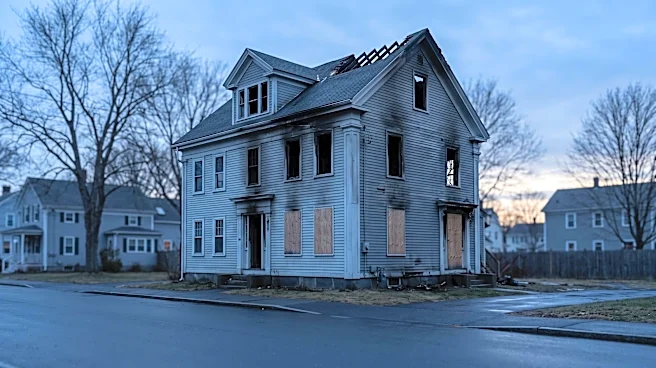
A house fire occurred in Seattle's Capitol Hill neighborhood shortly before 8:00 p.m. at a one-story home located near Bellevue Ave E and E Republican St. Fire officials confirmed that the blaze originated in the basement of the residence. All occupants
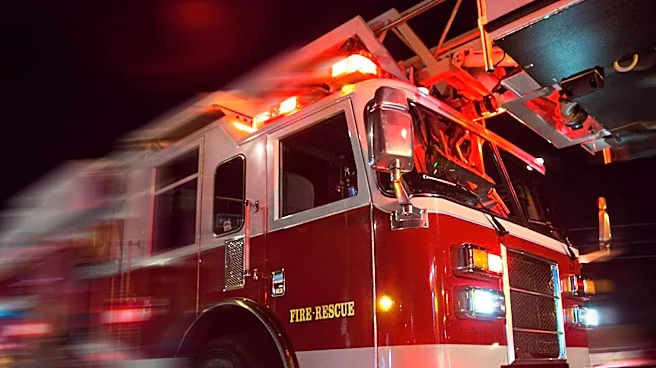
of the home were safely evacuated as a precautionary measure. Firefighters from the Seattle Fire Department quickly responded to the scene, successfully locating and extinguishing the fire in the basement. Following the initial extinguishment, crews spent approximately 20 minutes addressing hot spots around the house and conducting a thorough check of the attic to ensure no further fire activity. Fortunately, no injuries were reported as a result of the incident.
Why It's Important?
This incident underscores the critical role of rapid response by local fire departments in urban residential areas. House fires, even those contained to a single area like a basement, pose significant risks to life and property. The successful and swift evacuation of all residents, coupled with the efficient extinguishment of the fire and subsequent checking for hot spots, highlights effective emergency protocols and the training of the Seattle Fire Department. For residents in dense neighborhoods like Capitol Hill, such events serve as a reminder of the importance of fire safety measures, including working smoke detectors and established evacuation plans. The absence of injuries in this particular incident is a testament to both the residents' quick actions and the professionalism of the responding fire crews, preventing a potentially more severe outcome for the community.
What's Next?
Following the extinguishment of the fire, the next steps will likely involve an investigation by the Seattle Fire Department to determine the exact cause of the basement fire. This investigation is crucial for understanding how the fire started and for implementing any necessary preventative measures or public safety advisories. The affected residents will also begin the process of assessing damages and coordinating with insurance providers for repairs or temporary housing. Depending on the extent of the damage, the home may require significant restoration work before it can be reoccupied. For the broader Capitol Hill community, this event may prompt increased awareness campaigns regarding fire safety and preparedness, encouraging residents to review their own emergency plans and ensure their homes are equipped with proper fire detection and suppression tools.
Beyond the Headlines
Beyond the immediate response, this house fire in Capitol Hill highlights the broader challenges and resilience of urban communities. Residential fires, while often localized, can have ripple effects, impacting neighbors, local infrastructure, and community resources. The incident also subtly points to the importance of community networks and preparedness. In urban settings, where buildings are often in close proximity, a fire in one structure can quickly threaten others. The successful containment and lack of injuries in this case reflect not only the efficiency of emergency services but also potentially the effectiveness of building codes and community awareness. Such events, though unfortunate, often serve as catalysts for reinforcing safety protocols and strengthening community bonds, as neighbors often come together to support those affected.