




What's Happening?
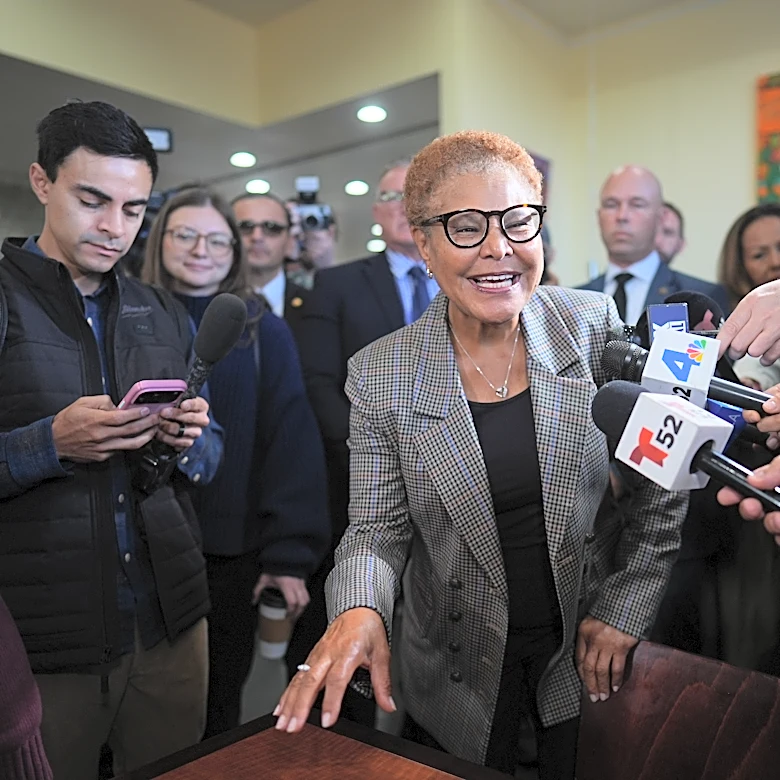
U.S. Representative Grace Meng (D-Queens) has allocated $500,000 in federal funding for the Queens Botanical Garden (QBG) for fiscal year 2024. This funding is designated for the redevelopment of the garden's greenhouses and other capital improvements.
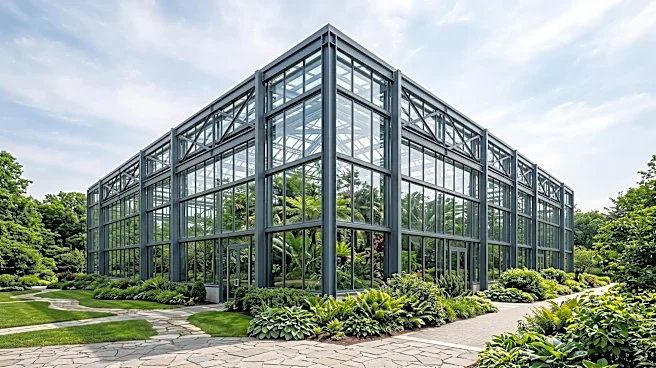
The announcement comes as QBG is set to receive a significant $12 million from New York State for the construction of new, state-of-the-art greenhouses. The existing greenhouses, which have been in use since the 1960s, experienced a critical failure earlier in 2026, leading to the loss of hundreds of plants due to outdated infrastructure. Representative Meng expressed her pride in securing the federal funds and her enthusiasm for the new greenhouse project, highlighting QBG's role as an urban oasis and the enhanced programming and experiences the new facilities will offer. This federal contribution supplements broader efforts by state officials, including New York State Assembly Speaker Carl Heastie and Assemblywoman Nily Rozic, to modernize the garden's facilities.
Why It's Important?
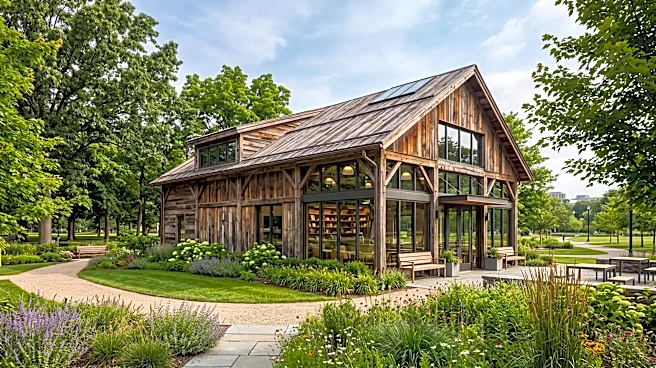
This federal allocation by Representative Meng is crucial for the Queens Botanical Garden, a significant cultural and environmental institution in New York City. The funding directly supports the modernization of essential infrastructure, ensuring the preservation of diverse plant collections and the expansion of educational opportunities for the public. The failure of the old greenhouses underscored the vulnerability of such institutions to aging infrastructure, making this investment vital for long-term sustainability. The project will allow QBG to construct ADA-accessible greenhouses that will partially open to the public for the first time, enhancing community engagement and learning year-round. This initiative also demonstrates a collaborative effort between federal and state governments to invest in local community resources, which can serve as a model for other botanical gardens and public spaces facing similar infrastructure challenges. The improved facilities will benefit local residents, students, and tourists by providing enhanced access to nature and environmental education.
What's Next?
The planning process for the new greenhouses at the Queens Botanical Garden is scheduled to commence in 2027, with an anticipated opening within the subsequent three years. This timeline suggests that the garden will soon begin detailed design and construction phases, leveraging the combined federal and state funding. The new greenhouses are expected to feature state-of-the-art technology, enabling QBG to cultivate robust tropical and annual collections. Additionally, the garden has other developments planned for the next five years, including the opening of a new Education Center and a Children’s Discovery Garden. These concurrent projects indicate a significant period of expansion and modernization for QBG, aiming to broaden its mission and enhance its offerings to the community. Stakeholders, including local residents and environmental educators, will likely anticipate the progress of these developments and the new programs they will enable.
Beyond the Headlines
The investment in the Queens Botanical Garden's infrastructure, spearheaded by Representative Meng's federal allocation and significant state funding, highlights a broader recognition of the critical role urban green spaces play in community well-being and environmental education. Beyond the immediate benefit of new greenhouses, this project underscores the ongoing challenge many public institutions face with aging infrastructure and the necessity of sustained funding from various governmental levels. The emphasis on ADA accessibility and public engagement in the new greenhouse design reflects an evolving understanding of inclusivity in public spaces. This development could also inspire other urban botanical gardens to seek similar multi-level government funding for their own modernization efforts, fostering a trend of revitalizing and expanding access to natural environments within densely populated areas. The long-term impact extends to fostering environmental stewardship and providing vital educational resources for future generations in an urban setting.