







What's Happening?
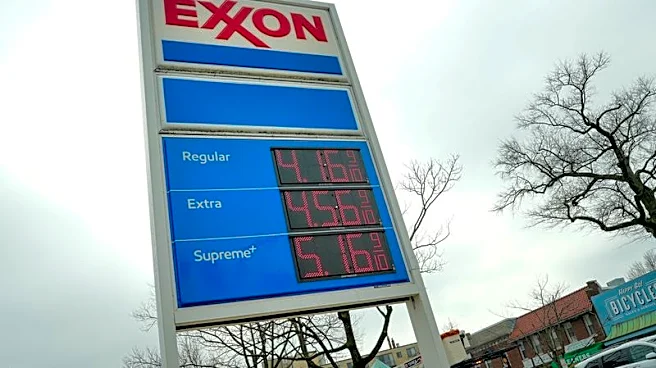
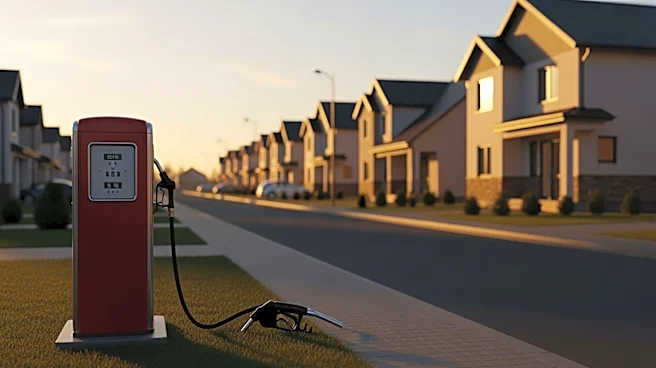
As gas prices in the U.S. reach an average of $4.53 per gallon, up significantly from the previous year, the cost of commuting is becoming a critical factor in home buying decisions. This increase, described as a 'commute tax,' is influencing the housing
market, particularly in cities like Houston where driving is essential. Real estate agents report that potential buyers are now factoring in commuting costs alongside mortgage payments when considering home purchases. The trend is further compounded by a rise in return-to-office mandates, which has increased road traffic by 2% nationwide. As a result, there is a growing interest in homes located in walkable neighborhoods or those with access to public transportation.
Why It's Important?
The shift in home buying priorities due to rising gas prices highlights the broader economic impact of energy costs on consumer behavior. As commuting expenses rise, potential homebuyers are reevaluating the affordability of living further from work, which could lead to a decrease in demand for suburban homes and an increase in urban housing interest. This change could affect real estate markets, particularly in commuter towns that were previously attractive due to their affordability. Additionally, the increased focus on proximity to work and public transportation may drive urban development and influence city planning policies.
What's Next?
If gas prices remain high, the trend of prioritizing proximity to work over larger living spaces may continue, potentially reshaping the housing market. Real estate developers and city planners might respond by focusing on creating more walkable communities and improving public transportation infrastructure. Additionally, employers may need to reconsider remote work policies to accommodate employees' commuting challenges. The ongoing economic conditions and energy prices will play a significant role in determining the future dynamics of the housing market.