



What's Happening?
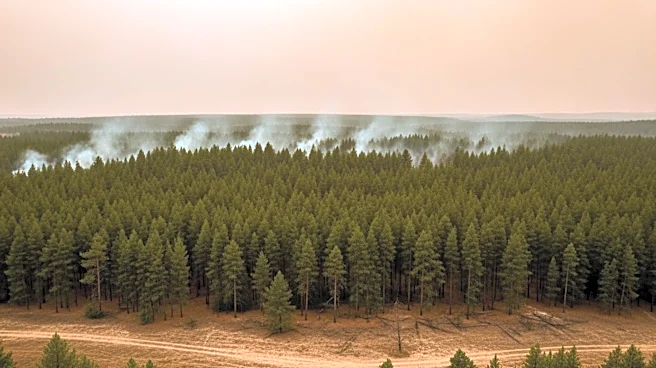
Wildfires in South Georgia have expanded to nearly 9,000 acres, with containment efforts only reaching 10% as of Tuesday morning. The Georgia Forestry Commission has identified the Pinelands Road fire as one of 52 fires that ignited over two days, April
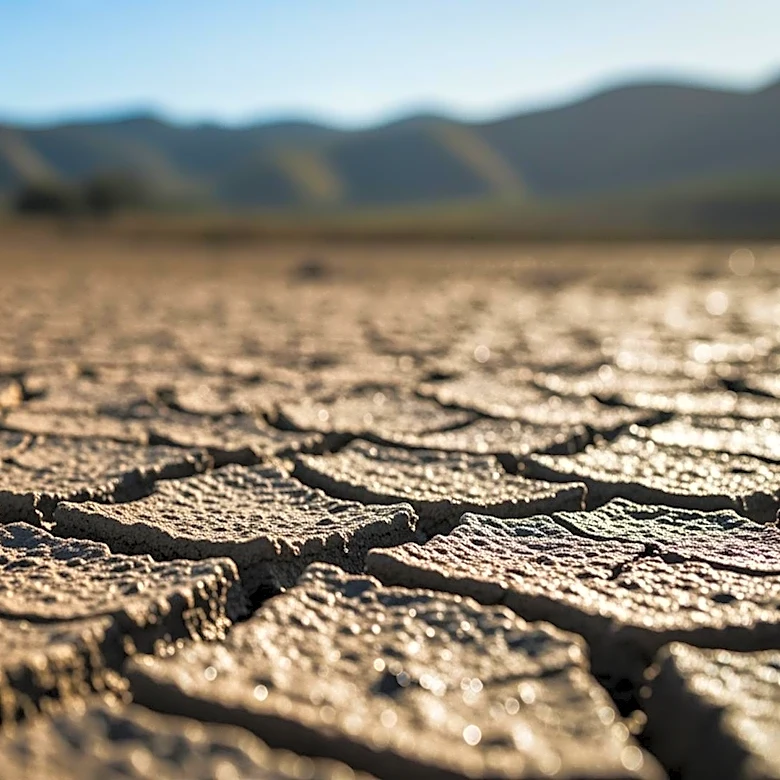
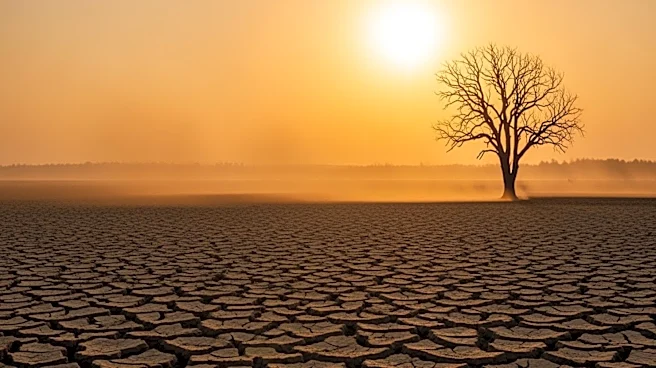
18 and 19, due to severe drought conditions affecting most of the state. Rainfall and water levels are significantly below average, heightening the risk of fires. Local governments have responded by imposing burn bans and urging residents to avoid outdoor fires. Human carelessness, such as stray cigarettes and sparks from backyard fires, is cited as the primary cause of these wildfires.
Why It's Important?
The spread of wildfires in South Georgia poses a significant threat to local communities and ecosystems. The drought conditions exacerbate the situation, making it difficult to control the fires and increasing the risk of further outbreaks. The economic impact could be substantial, affecting agriculture and forestry industries, which are vital to the region. Additionally, the smoke from the fires can lead to health issues for residents, particularly those with respiratory conditions. The situation underscores the importance of effective forest management and public awareness to prevent human-caused fires.
What's Next?
Local authorities are likely to continue enforcing burn bans and may increase public awareness campaigns to prevent further human-caused fires. The Georgia Forestry Commission will likely intensify efforts to contain the existing fires and prevent new ones from starting. Long-term strategies may include improving water management and forest management practices to mitigate the impact of drought conditions. The closure of several paper mills in the region could also influence future wildfire risks, as these facilities often play a role in forest management.
Beyond the Headlines
The current wildfire situation in Georgia highlights broader environmental challenges, including the impact of climate change on drought frequency and severity. As drought conditions become more common, the risk of wildfires may increase, necessitating changes in land management and emergency response strategies. The situation also raises questions about the sustainability of local industries, such as agriculture and forestry, which are heavily dependent on water availability. Addressing these challenges will require coordinated efforts from government agencies, industry stakeholders, and the community.