










What's Happening?
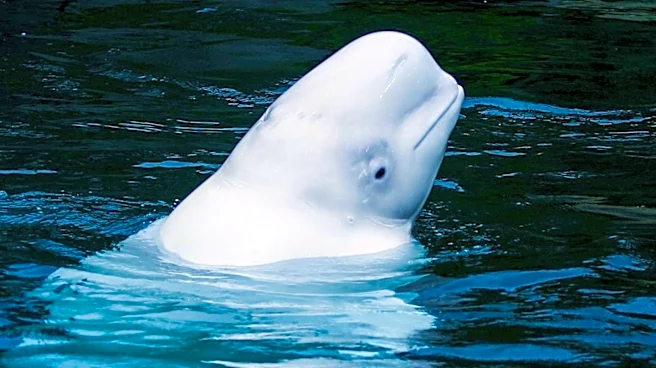
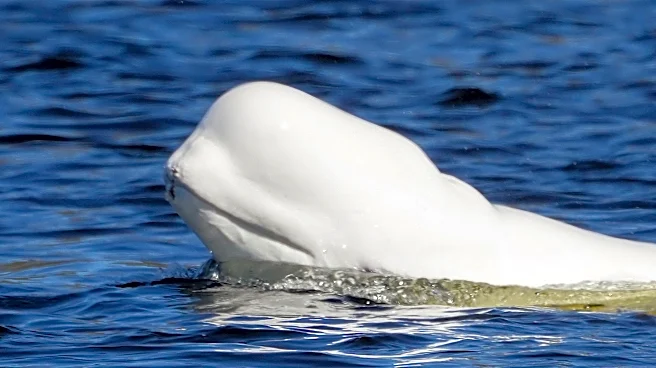
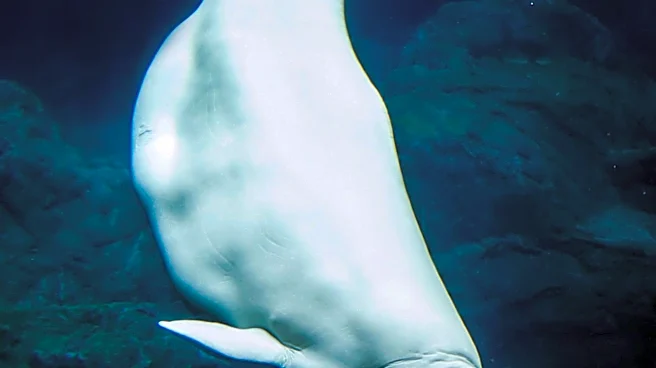
Shedd Aquarium in Chicago is set to participate in a significant rescue operation to relocate up to 10 beluga whales from Marineland of Canada, a closed marine park in Niagara Falls, Ontario. The operation aims to save 30 belugas threatened with euthanasia
by their current caretakers. The Shedd Aquarium, which already houses eight belugas, is collaborating with other facilities, including the Georgia Aquarium and SeaWorld locations in the U.S., to ensure the safe transfer of these marine mammals. The rescue is unprecedented in scale, and the logistics involve extensive veterinary checks and careful transport planning. The whales will undergo a quarantine period upon arrival in Chicago, during which their health and adaptation to the new environment will be closely monitored.
Why It's Important?
This rescue operation is crucial for the survival of the beluga whales, as it prevents their potential euthanasia and provides them with a chance for a better life. The move highlights the ongoing challenges faced by marine mammals in captivity and the ethical considerations surrounding their care. The operation also underscores the importance of international collaboration in wildlife conservation efforts. While the transfer to U.S. facilities is seen as a positive step, it raises questions about the adequacy of current aquarium environments for such large marine animals. The operation could set a precedent for future rescues and influence policies regarding the treatment and housing of marine mammals in captivity.
What's Next?
The exact timeline for the transfer of the belugas to Shedd Aquarium is still uncertain, as it depends on the health assessments of the whales and logistical arrangements. Once the whales arrive, they will not be immediately available for public viewing, as they will need time to acclimate in a quarantine setting. The success of this operation could lead to further discussions on improving conditions for captive marine mammals and possibly inspire the development of more naturalistic habitats, such as ocean sanctuaries. Stakeholders, including marine biologists and animal rights advocates, will likely continue to monitor the situation closely.
Beyond the Headlines
The rescue operation raises broader ethical questions about the captivity of marine mammals and the responsibilities of facilities that house them. The potential for boredom and mental stress in confined environments is a significant concern, prompting calls for more naturalistic settings. The operation also highlights the financial and logistical challenges of large-scale animal rescues, emphasizing the need for well-coordinated efforts and adequate funding. The involvement of multiple international partners reflects a growing recognition of the global nature of wildlife conservation issues.