






What's Happening?
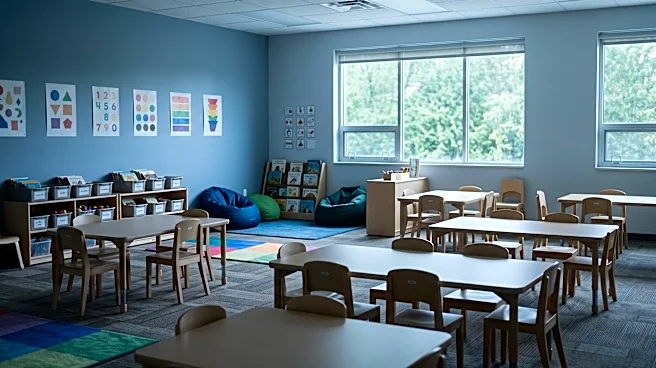
Parents of special-needs children in California's Central Valley are advocating for a state law mandating cameras in special education classrooms. This push comes after allegations of abuse against their children by teachers. Online petitions supporting
the measure have gained significant traction, with over 12,800 signatures in the Bakersfield City School District and more than 2,700 in the Visalia Unified School District. Brittney Camacho, a mother of three non-verbal children, reported that Visalia police informed her in September 2025 that her children might have been physically abused by their kindergarten teacher, Lacie Ann Horsting. Although 10 misdemeanor child abuse charges were filed against Horsting, the case was dismissed due to the expiration of the one-year statute of limitations. Parents argue that cameras are essential because their non-verbal children cannot communicate experiences of distress or harm.
Why It's Important?
This movement highlights a critical vulnerability for non-verbal special-needs children in educational settings, as they are often unable to report abuse or neglect. The demand for cameras aims to provide accountability and transparency, offering a layer of protection for these students and peace of mind for their parents. The dismissal of the teacher's case due to a statute of limitations expiring further fuels parents' urgency for preventative measures. If enacted, such a law would represent a significant shift in classroom monitoring, potentially setting a precedent for other states. It also brings to the forefront the ongoing debate about privacy in classrooms versus the safety of vulnerable students, particularly those with disabilities who rely entirely on adult caregivers for their well-being.
What's Next?
The immediate next step for parents is to continue advocating for legislative action at the state level, as a widespread requirement for cameras would need to be enacted by the California Legislature. A 1976 California law prohibiting recording devices in classrooms without teacher and principal consent currently poses an obstacle. The California Teachers Association (CTA) has not taken an official position on cameras in special education classrooms, but their past use of the 1976 law against mandatory live online instruction suggests potential union opposition. Parents will likely continue to gather support through petitions and public awareness campaigns to pressure lawmakers. The outcome will depend on legislative will, public pressure, and potential negotiations with teacher unions regarding privacy concerns versus student safety.
Beyond the Headlines
The push for cameras in special education classrooms touches on deeper ethical and legal considerations regarding the rights of vulnerable populations and the responsibilities of educational institutions. Beyond preventing abuse, proponents argue that cameras could serve as valuable educational tools, helping educators analyze classroom interactions and develop more effective teaching strategies tailored to individual student needs. However, concerns about teacher privacy, potential misuse of footage, and the creation of a surveillance-heavy environment are also part of the broader discussion. This situation underscores the ongoing challenge of balancing safety, privacy, and effective education for all students, especially those with unique needs who require specialized care and protection.