




What's Happening?
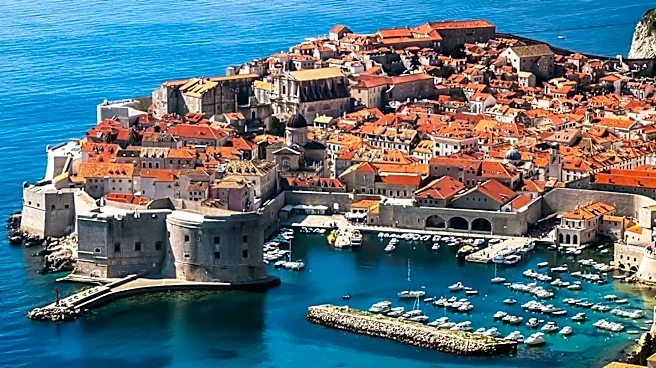
Dubrovnik has launched the 'Respect the City' initiative to address the challenges of overtourism. The city, a popular tourist destination, has been struggling with the influx of visitors, particularly from cruise ships. The initiative limits the number
of cruise ships docking at the port to two at a time, with a maximum of 4,000 passengers, and requires them to stay for at least eight hours. This approach aims to distribute tourist activity more evenly across the city and its surroundings, rather than concentrating it in the historic center. The initiative also includes plans to convert underdeveloped tourism zones into affordable housing for locals, addressing the issue of short-term rentals pushing residents out of the city.
Why It's Important?
The 'Respect the City' initiative is significant as it represents a shift towards sustainable tourism management. By controlling the number of tourists and their distribution, Dubrovnik aims to preserve its cultural heritage and improve the quality of life for its residents. This approach could serve as a model for other cities facing similar challenges with overtourism. The initiative also highlights the broader issue of short-term rentals impacting local communities, a concern shared by many cities worldwide. By prioritizing sustainable tourism and community well-being, Dubrovnik is taking steps to ensure its long-term viability as a tourist destination.
What's Next?
Dubrovnik plans to continue monitoring the impact of the 'Respect the City' initiative and make adjustments as needed. The city is also focusing on promoting lesser-known areas to tourists, encouraging them to explore beyond the historic center. This strategy aims to alleviate pressure on popular sites while enhancing the overall visitor experience. Additionally, Dubrovnik is collaborating with other European cities to share best practices in managing overtourism. The success of this initiative could influence tourism policies in other destinations, promoting a more sustainable approach to tourism management globally.