


What's Happening?
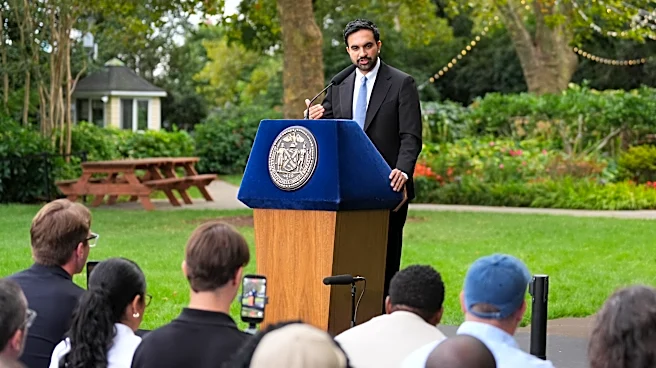
Former New York City mayoral candidate Curtis Sliwa has voiced significant concerns regarding the city's shelter system, particularly in the context of current Mayor Zohran Mamdani's policies. Sliwa asserts that many homeless individuals avoid city shelters
due to fears of being victimized, including theft of their belongings, sexual abuse, and physical harassment. This statement comes as Mayor Mamdani's administration has adopted a less aggressive approach to clearing homeless encampments compared to the previous administration. While the Mamdani administration frames this as a more humane strategy focused on connecting individuals with services, critics like Sliwa argue that it allows dangerous and unsanitary encampments to persist and fails to address the underlying reasons why homeless people distrust the shelter system. The Department of Homeless Services now leads efforts to address encampments, requiring daily visits and service offers for a week before clearing, a stark contrast to the previous policy of dismantling encampments within a day.
Why It's Important?
The ongoing debate over New York City's approach to homelessness and its shelter system has significant implications for public safety, urban planning, and social welfare. Sliwa's concerns highlight a critical flaw in the current system: if shelters are perceived as unsafe, homeless individuals will continue to opt for street encampments, regardless of the city's efforts to offer services. This situation can lead to increased public health risks, sanitation issues, and potential conflicts within communities, as evidenced by the appearance of new encampments near residential areas like New York University dorms. The city's policy shift, while intended to be more humane, faces criticism for potentially exacerbating these issues by not adequately addressing the root causes of shelter avoidance. The effectiveness of Mayor Mamdani's strategy hinges on building trust and ensuring safety within the shelter system, which, according to Sliwa, is currently lacking. The outcome of this policy will directly impact the quality of life for both homeless individuals and other New York City residents.
What's Next?
The Mamdani administration is likely to continue its current policy of slower, service-oriented engagement with homeless encampments, despite criticism. The mayor's office has not yet responded to comments regarding the safety concerns within shelters, suggesting a potential need for further dialogue and policy adjustments. Future developments may include increased scrutiny from advocacy groups and the public regarding the safety and efficacy of the shelter system. If the concerns raised by Curtis Sliwa persist, there could be growing pressure on the city to implement more robust safety measures and address the systemic issues that deter homeless individuals from utilizing shelters. The long-term success of Mamdani's approach will depend on its ability to not only offer services but also to create a secure and trustworthy environment within the city's shelters, potentially leading to a re-evaluation of current protocols and resource allocation for homeless services.
Beyond the Headlines
Beyond the immediate policy debate, Sliwa's comments touch upon deeper societal issues concerning the dignity and safety of vulnerable populations. The fear of violence and theft within shelters points to a systemic failure to provide basic human security, which can perpetuate cycles of homelessness and distrust in public institutions. This situation raises ethical questions about the city's responsibility to protect its most vulnerable citizens and the effectiveness of current social welfare models. The perception of shelters as dangerous spaces can also contribute to public apathy or even hostility towards homeless individuals, further marginalizing them. Addressing these concerns requires not just policy changes but a fundamental shift in how society views and supports its homeless population, emphasizing comprehensive solutions that prioritize safety, mental health, and long-term stability over temporary fixes or punitive measures. The ongoing challenge in New York City reflects a broader national struggle to humanely and effectively address homelessness.