


What's Happening?
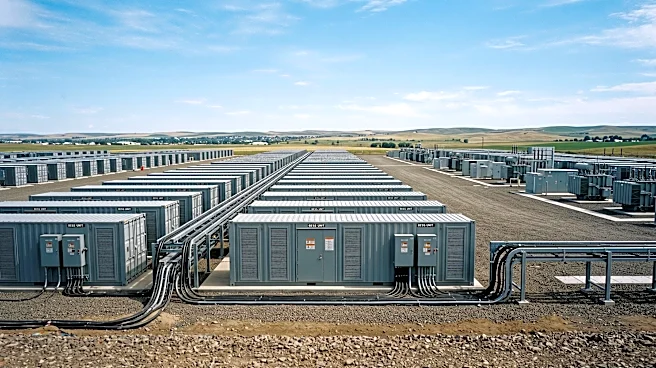
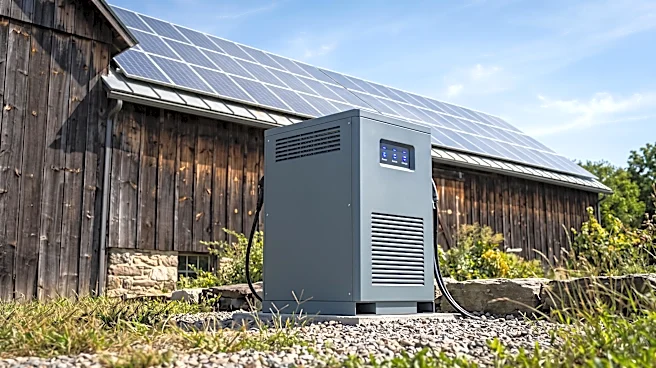
Across the U.S., states and utilities are rapidly developing 'battery farms' to store energy and meet growing power demands. These facilities, primarily using lithium-ion batteries, have seen a tenfold increase in capacity since 2022, with another doubling
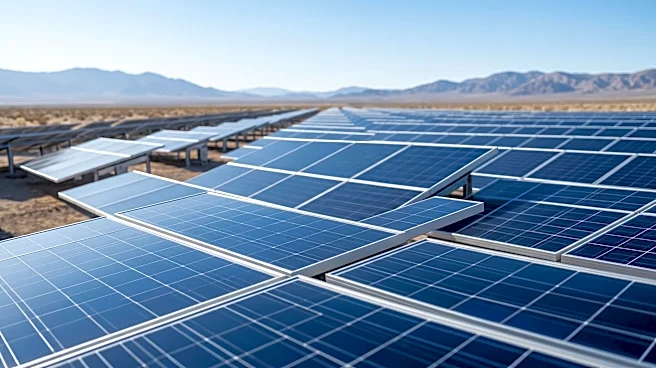
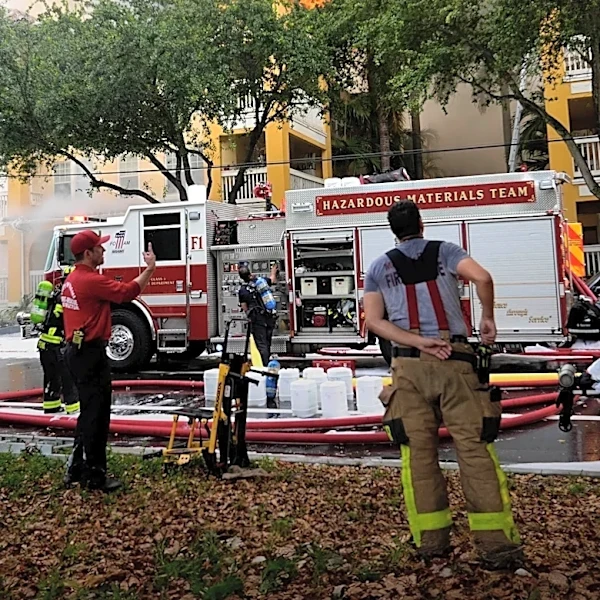
projected by the end of 2028. This growth is driven by the need to stabilize the grid, support the transition to clean energy, and store surplus power from renewable sources like solar for peak demand times. However, this expansion is encountering significant community opposition. Nearly 200 communities have either passed or proposed moratoriums on battery farm construction, largely due to concerns over fire risks and the potential for toxic smoke. Residents in areas like Snoqualmie, Washington, and Watsonville, California, have voiced strong objections to proposed facilities near residential areas, schools, and critical infrastructure, leading developers to sometimes seek state-level approval to bypass local jurisdictions.
Why It's Important?
The conflict between the urgent need for energy storage and local community concerns has significant implications for the U.S. energy transition. Battery farms are deemed essential for grid stability, especially with the increasing integration of intermittent renewable energy sources. Without adequate storage, the reliability of the power grid could be compromised, potentially leading to blackouts and hindering the shift away from fossil fuels. The opposition, however, highlights a critical social and environmental justice issue, as communities fear being exposed to potential hazards, such as fires and toxic emissions, from industrial facilities located near their homes. This tension could slow down the deployment of crucial energy infrastructure, impacting national clean energy goals and potentially increasing energy costs if less efficient or more carbon-intensive alternatives are relied upon. The debate also underscores the challenge of balancing broader societal energy needs with local environmental and safety concerns.
What's Next?
The trajectory of battery farm development will likely involve continued legal and regulatory battles as developers attempt to navigate local opposition and state-level mandates. Industry leaders are expected to increase efforts to engage with communities early and educate them on improved safety measures, as modern battery systems are designed to be safer and more contained than older models. State policymakers may need to consider new legislation that addresses community concerns while still facilitating necessary energy infrastructure. The federal government's stance on clean energy tax credits and permitting, which has previously influenced the attractiveness of battery farms, will also continue to play a role. The outcome of these local disputes could set precedents for future energy projects, potentially leading to more centralized siting decisions or enhanced community involvement requirements.
Beyond the Headlines
The controversy surrounding battery farms reveals deeper societal challenges related to infrastructure development and public trust. The 'not in my backyard' (NIMBY) phenomenon, often seen with various industrial projects, is evident here, but it's compounded by the perceived novelty and potential risks of large-scale battery storage. This situation also highlights a disconnect between the abstract benefits of clean energy at a national level and the tangible concerns of residents living near these facilities. The comparison of battery farms to data centers, which also face community backlash but increase grid strain, suggests a need for clearer public communication regarding the distinct roles and benefits of different energy infrastructures. Ultimately, the resolution of these conflicts will require innovative approaches to community engagement, transparent risk assessment, and potentially new models for equitable distribution of both the benefits and burdens of the energy transition.