



What's Happening?
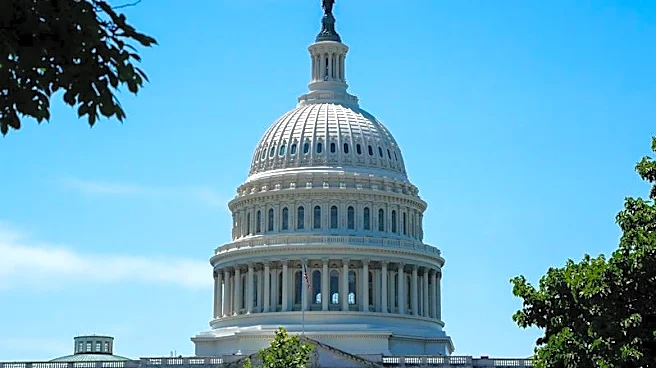
A new bill, the Grand Ronde Land Transfer Act, has been introduced in Congress by U.S. Sen. Jeff Merkley, D-Oregon, and U.S. Rep. Andrea Salinas, D-Oregon. This legislation proposes to transfer over 18,000 acres of federal public land in the Siuslaw National
Forest, located on the Tillamook-Yamhill county line, to the Confederated Tribes of the Grand Ronde. The land, totaling 18,626 acres, borders parts of the Grand Ronde community and would be held in trust by the tribe. The bill is also supported by U.S. Sen. Ron Wyden, D-Oregon, and other U.S. House Democrats from Oregon, including Reps. Suzanne Bonamici, Val Hoyle, Maxine Dexter, and Janelle Bynum. While the land would be transferred to the tribe, it is intended to remain open to the public for hunting, fishing, and general recreation, though the Grand Ronde may regulate access for public safety, administration, or wildlife management.
Why It's Important?
This proposed land transfer is a significant step towards addressing historical injustices faced by the Confederated Tribes of Grand Ronde, who were stripped of their ancestral lands. According to U.S. Rep. Andrea Salinas, the legislation is a meaningful step towards righting these wrongs. U.S. Sen. Jeff Merkley stated that the bill would enhance the tribe's self-determination and ability to sustainably steward ancestral lands, while also boosting economic opportunity in the region. Grand Ronde Tribal Council Chairwoman Cheryle A. Kennedy emphasized that the transfer would help the tribe rebuild its reservation, community, and economy, and that they would care for the forests using generational knowledge. This initiative highlights a broader movement towards tribal land restoration and self-governance, potentially setting a precedent for similar actions across the U.S. and reinforcing the importance of indigenous land stewardship practices.
What's Next?
The Grand Ronde Land Transfer Act will now proceed through the legislative process in Congress. Its passage would lead to the formal transfer of the 18,626 acres of federal public land to the Confederated Tribes of the Grand Ronde, to be held in trust. Following a successful transfer, the tribe would assume responsibility for managing these lands, applying their traditional knowledge alongside modern conservation practices. The public can expect continued access for recreational activities, subject to any regulations the Grand Ronde may implement for safety or resource management. The bill's progress will be closely watched by other tribal nations and environmental groups, as it could influence future legislative efforts regarding land repatriation and co-management agreements between federal agencies and indigenous communities.
Beyond the Headlines
The Grand Ronde Land Transfer Act delves into the complex ethical and historical dimensions of land ownership and indigenous rights in the U.S. It represents a tangible effort to reconcile past injustices where tribal lands were dispossessed, often through coercive means. Beyond the immediate land transfer, this bill underscores the growing recognition of indigenous communities' capacity for effective land stewardship, drawing on centuries of ecological knowledge. The emphasis on maintaining public access while granting tribal control also highlights a nuanced approach to land management that seeks to balance diverse interests. This initiative could foster a deeper understanding of tribal sovereignty and environmental justice, potentially influencing national policy on land use, conservation, and the role of indigenous peoples in managing natural resources.