




What's Happening?
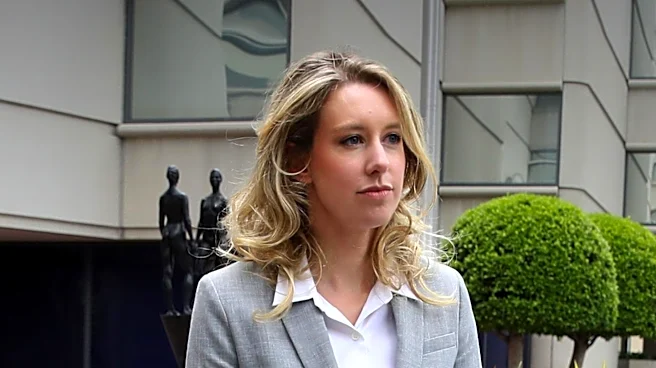
Elizabeth Holmes, the former Theranos founder currently serving an 11-year-and-three-month federal prison sentence for defrauding investors, has posted a cryptic message on social media. Weeks before the release of the documentary 'You Can See Everything,'
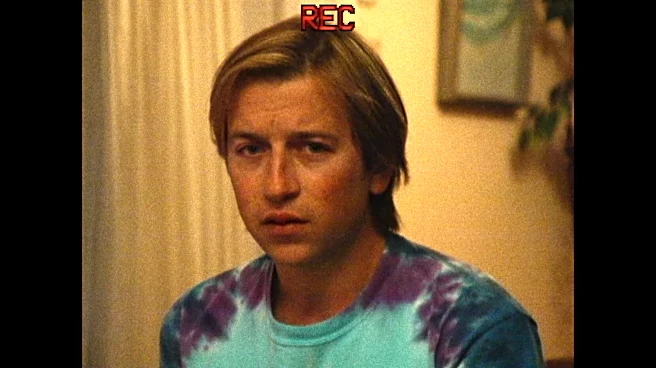
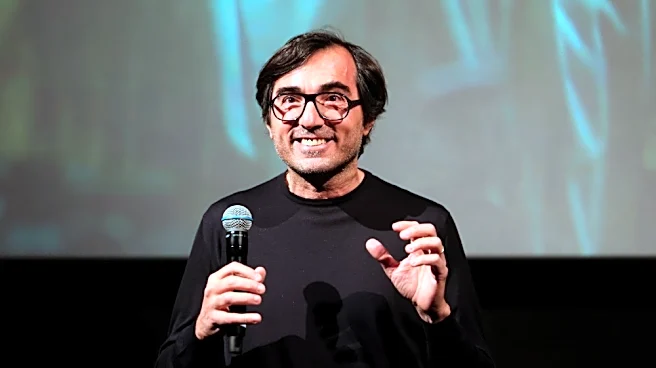
Holmes stated she had been 'silenced for a long time' and is 'fighting to prove my innocence' to return to her children and partner. She indicated that future posts written in her own words would be signed with her initials, 'EAH,' while unsigned posts would be from her management team. The documentary, by Nathan Fielder and Lance Oppenheim, made a surprise debut at the Telluride Film Festival in September and is set for theatrical release on October 16. It began as a look into Holmes's life before prison, with Holmes and her partner, Billy Evans, granting filmmakers access to their home life.
Why It's Important?
This development is important as it marks Elizabeth Holmes's direct re-engagement with the public narrative surrounding her, even while incarcerated. Her social media statement, asserting her innocence and desire to return to her family, attempts to shape public perception ahead of a significant documentary release. The timing suggests a strategic effort to control her story, moving beyond the filtered narratives of filmmakers or journalists. This could influence public opinion regarding her conviction and future legal appeals. For the public, it reignites discussions about accountability, the justice system, and the role of media in shaping high-profile cases. The documentary itself, having gained attention at the Telluride Film Festival, is poised to further scrutinize her public image and the events leading to her downfall, making Holmes's direct communication a critical counter-narrative.
What's Next?
The documentary 'You Can See Everything' is scheduled for theatrical release on October 16, which will likely intensify public and media scrutiny of Elizabeth Holmes's case. Holmes's continued social media activity, marked by her new signature system, will be closely watched as she attempts to control her narrative from prison. Her claims of fighting to prove her innocence suggest potential future legal actions or appeals, though no specific details have been provided. The public's reaction to both the documentary and Holmes's direct statements will be a key indicator of how her story continues to evolve. Commenters' initial responses to her recent post indicate a skeptical reception, suggesting that her efforts to reshape her image may face significant challenges.
Beyond the Headlines
Elizabeth Holmes's decision to speak out directly from prison, particularly through social media, raises deeper questions about the nature of public image, accountability, and the power of narrative in the digital age. By attempting to bypass traditional media filters, she is leveraging platforms to present her own version of events, challenging the established public perception of her as a convicted fraudster. This move highlights the ongoing struggle for control over one's story, even in the face of legal conviction and incarceration. It also underscores the ethical considerations for filmmakers and journalists when granted access to controversial figures, as the resulting narratives can be complex and subject to manipulation. The public's response will reveal the extent to which direct appeals from convicted individuals can alter deeply entrenched opinions, especially when juxtaposed with documented legal proceedings.