





What's Happening?
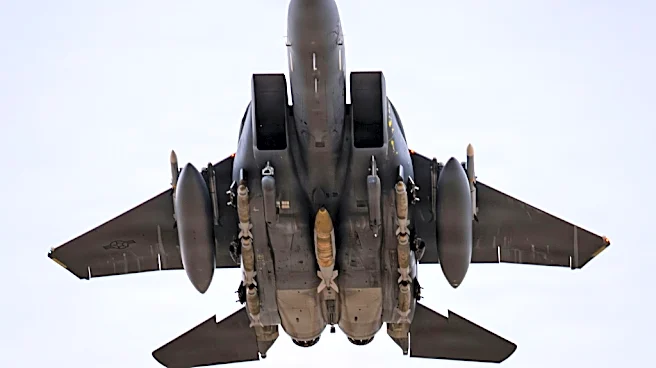
Iran has shot down two American military aircraft, marking the first time in over two decades that U.S. aircraft have been downed by enemy fire. This incident follows a series of U.S. and Israeli airstrikes on Iran, which President Trump claimed had significantly
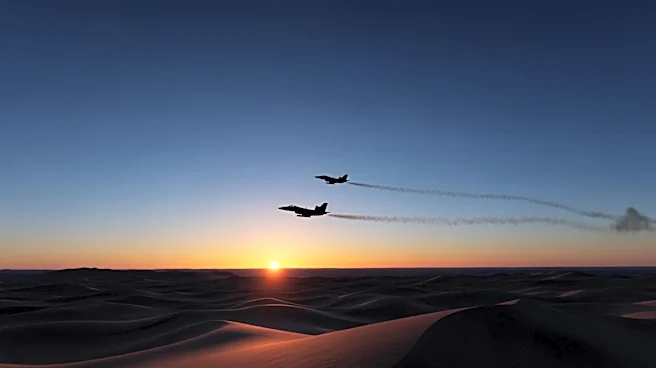
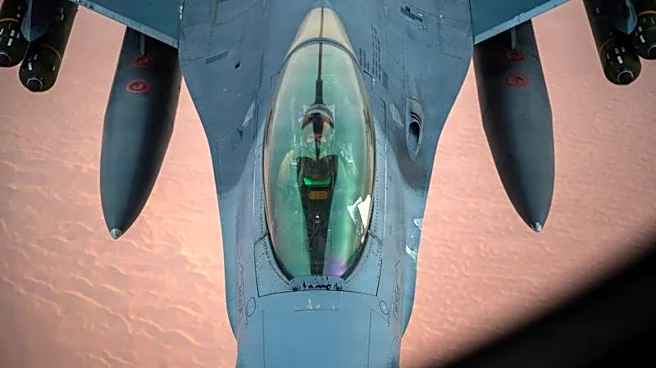
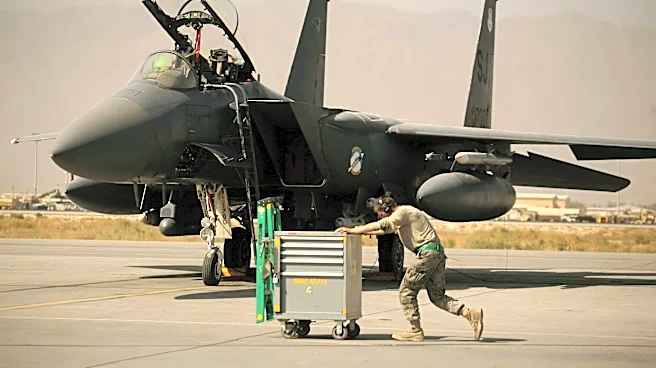
reduced Iran's missile and drone capabilities. Despite these assertions, Iran's ability to retaliate remains evident. The downed aircraft include a U.S. F-15E Strike Eagle fighter jet and an A-10 attack aircraft. The last similar incident occurred during the 2003 U.S. invasion of Iraq. The U.S. Central Command reports that American forces have conducted over 13,000 missions in the ongoing conflict with Iran, targeting more than 12,300 sites.
Why It's Important?
This development underscores the persistent threat posed by Iran despite extensive military efforts to weaken its capabilities. The incident highlights the challenges faced by U.S. forces operating in hostile environments and raises questions about the effectiveness of current military strategies. The downing of these aircraft could impact U.S. military operations and influence public opinion, particularly given the American public's sensitivity to military losses. The event also reflects the broader geopolitical tensions in the region, with potential implications for U.S. relations with its allies and adversaries.
What's Next?
The U.S. military is likely to reassess its operational strategies in the region to mitigate further losses. There may be increased diplomatic efforts to address the escalating tensions between the U.S. and Iran. Additionally, the incident could prompt discussions within the U.S. government and among its allies regarding the future of military engagements in the Middle East. The search for the missing service member continues, and further military or diplomatic responses from both sides are possible.
Beyond the Headlines
The incident raises broader questions about the sustainability of U.S. military engagements in the Middle East and the potential for escalation into a larger conflict. It also highlights the resilience of Iran's military capabilities despite significant external pressure. The situation may influence future U.S. defense policies and strategies, particularly concerning air superiority and the use of advanced technology in combat zones.