
What's Happening?
Iran's Foreign Minister Abbas Araghchi has highlighted a lack of trust as a significant barrier in negotiations with the United States to end their ongoing conflict. Araghchi, speaking in New Delhi, indicated
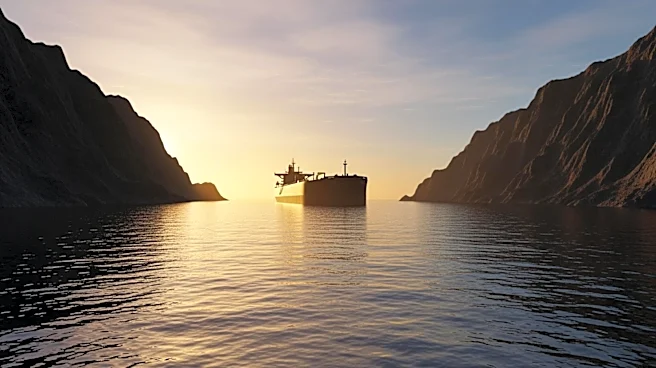
that Iran is open to diplomatic assistance, particularly from China, to ease tensions. President Trump has rejected Iran's latest proposal, which included nuclear concessions, as insufficient. The U.S. insists on the removal of highly enriched uranium from Iran to prevent nuclear weapon development, while Iran asserts its nuclear program is peaceful. The situation remains precarious, with the potential to escalate into broader conflict, affecting global energy markets due to the strategic importance of the Strait of Hormuz.
Why It's Important?
The impasse between Iran and the U.S. has significant implications for global energy security, as the Strait of Hormuz is a vital route for oil transportation. The conflict threatens to destabilize the Middle East further and exacerbate the global energy crisis. The U.S.'s firm stance on Iran's nuclear activities reflects broader geopolitical strategies to prevent nuclear proliferation. The involvement of other nations, such as China and Pakistan, in diplomatic efforts underscores the international dimension of the conflict. The resolution or escalation of these negotiations could shift regional power dynamics and impact global oil prices, affecting economies worldwide.
What's Next?
Diplomatic efforts continue, with countries like China potentially playing a mediating role. The U.S. and Iran remain at odds over nuclear issues, particularly uranium enrichment. The international community is closely monitoring the situation, as any resolution or escalation could have significant consequences. The reopening of the Strait of Hormuz is crucial for global trade, and diplomatic channels remain open, with Pakistan actively engaging in discussions. The situation requires careful management to avoid further conflict and ensure regional stability.