


What's Happening?
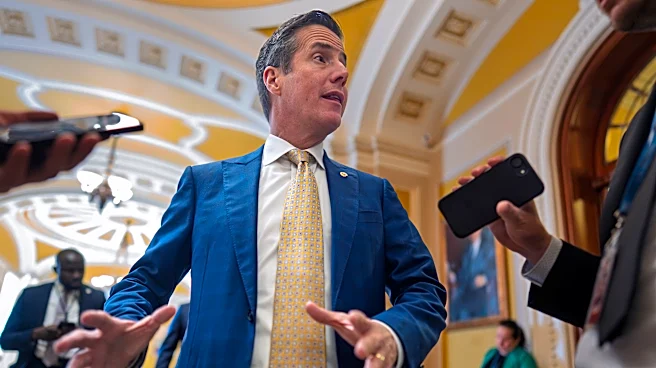
Wyoming Senator John Barrasso, a Republican, has expressed diplomatic opposition to the proposal of hosting a Major League Baseball (MLB) game in Grand Teton National Park. While acknowledging the spectacle of showcasing America's pastime against the backdrop
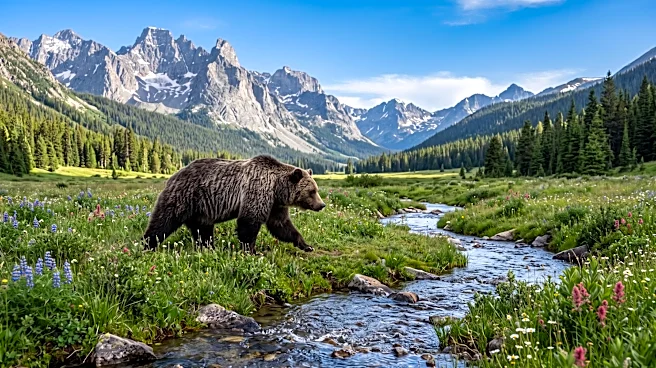
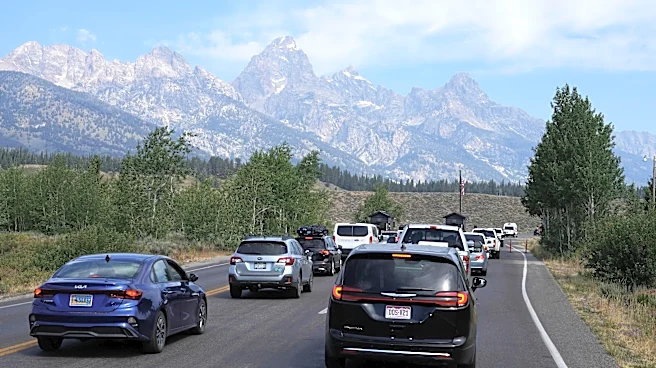
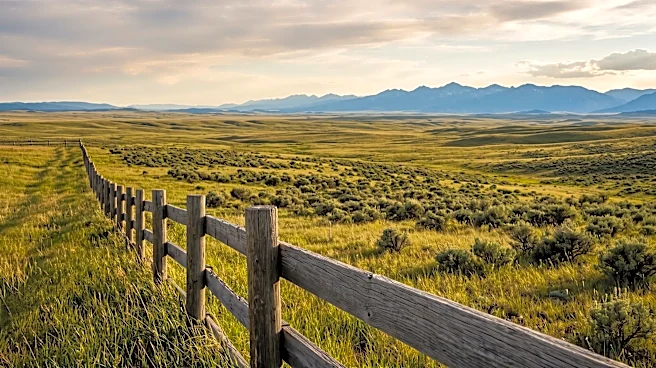
of the iconic Tetons, Senator Barrasso, who serves on the Congressional subcommittee for National Parks, highlighted significant logistical and environmental challenges. He stated that it would be impossible to plan, permit, and responsibly construct a baseball field without harming the park's natural environment. The park is renowned for its wildlife, including grizzly bears and elk, and its scenic beauty. Barrasso emphasized that the impact on world-class wildlife, outdoor recreation, and the natural beauty of the park cannot be ignored. He clarified that while he would be thrilled to bring a major league baseball showcase game to Wyoming, Grand Teton National Park is not the appropriate venue. Wyoming Governor Mark Gordon, also a Republican, echoed these sentiments, expressing concern about losing the park's natural ambiance for such an event. Local officials in Jackson, Wyoming, also voiced opposition, sending a letter to Interior Secretary Douglas Burgun, arguing that even temporary infrastructure could lead to lasting impacts through habitat fragmentation, noise, light disturbances, increased human presence in wildlife areas, and strain on park resources.
Why It's Important?
This opposition from state and local officials, including a U.S. Senator, underscores the significant tension between commercial interests and environmental preservation within national parks. Grand Teton National Park, like many national parks, is a protected area intended to conserve natural and cultural resources for future generations. Introducing a large-scale commercial event like an MLB game could set a precedent that prioritizes entertainment over conservation, potentially leading to similar proposals in other protected areas. The concerns raised about habitat fragmentation, noise, light pollution, and strain on park resources highlight the delicate balance required to manage these ecosystems. For the outdoor recreation industry and environmental groups, this situation is a critical test of the commitment to preserving public lands. It also reflects a broader debate about the appropriate use of national parks and whether they should be leveraged for commercial ventures that could compromise their ecological integrity. The unified front from Wyoming's political leadership, spanning both state and federal levels, signals a strong local commitment to protecting these natural treasures.
What's Next?
The immediate future of the proposed MLB game in Grand Teton National Park appears uncertain given the strong opposition from Wyoming's political figures and local officials. The White House has already released a statement indicating that the proposal is not a presidential directive, nor is it being driven by the White House or the Department of Interior, suggesting a potential step back from the idea. This statement may alleviate some of the pressure on the National Park Service to consider the proposal further. Stakeholders, including environmental organizations and local communities, will likely continue to monitor any developments closely to ensure that the park's protected status is upheld. The discussion may shift towards exploring alternative venues within Wyoming that can accommodate such an event without compromising sensitive natural environments. This situation could also prompt a broader review of policies regarding commercial events in national parks, potentially leading to clearer guidelines or restrictions to prevent similar conflicts in the future.
Beyond the Headlines
The debate over hosting an MLB game in Grand Teton National Park touches upon fundamental questions regarding the purpose and management of America's national parks. Beyond the immediate environmental concerns, it highlights the cultural and ethical dimensions of how society values and utilizes its natural heritage. The idea of transforming a pristine natural landscape into a temporary sports venue challenges the ethos of conservation that underpins the national park system. It also brings to light the potential for commercialization to erode the intrinsic value of these spaces, shifting public perception from sanctuaries of nature to potential sites for profit-generating events. This incident could serve as a catalyst for a national conversation about balancing public access and enjoyment with the imperative of ecological preservation. It also underscores the power of local and state advocacy in influencing federal decisions concerning public lands, demonstrating that community voices and environmental stewardship can effectively counter proposals that threaten protected areas. The long-term implications could include strengthened protections for national parks against commercial exploitation and a renewed focus on their role as untouched natural havens.