






What's Happening?
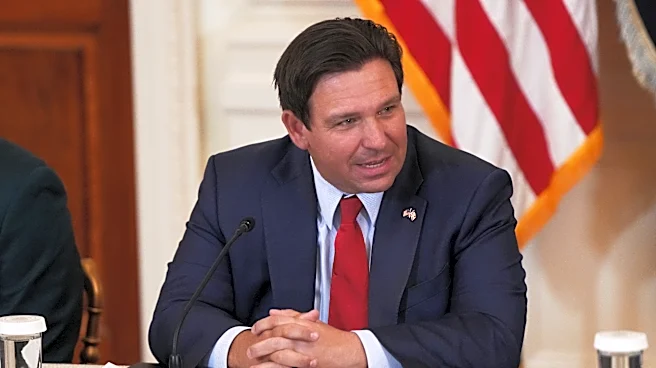
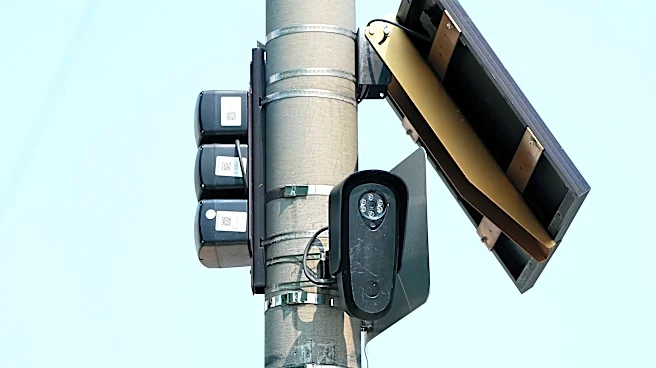
Florida Governor Ron DeSantis has publicly stated that the increasing use of license plate readers (LPRs) by law enforcement agencies in Florida is 'out of control' and necessitates legislative action to protect residents' privacy. Speaking at a news
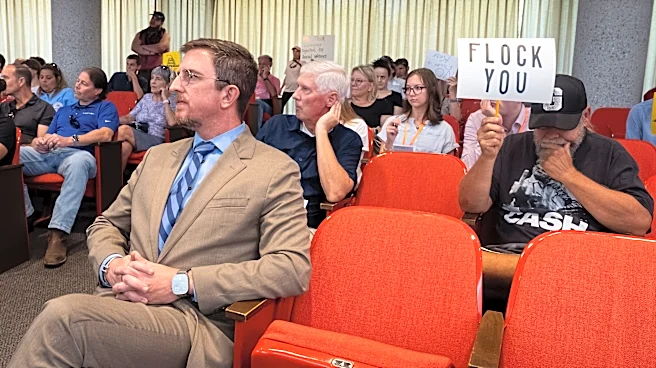
conference at Florida International University, DeSantis acknowledged the utility of such tools for investigating crimes but emphasized his opposition to their use for broad surveillance of individuals not suspected of wrongdoing. He specifically mentioned systems like those from Flock Safety, noting their expansion beyond toll collection to criminal surveillance, primarily operated by local police and sheriff's offices. DeSantis indicated that while state agencies use this technology, their usage is less extensive compared to local entities. He also referenced a previous attempt to address digital surveillance through an AI bill of rights, which passed the Florida Senate but failed in the House. The Governor is reviewing New Hampshire's approach to LPR regulation as a potential model for Florida, which bans the installation of these cameras on public roads and requires quick data purging for those used in vehicles.
Why It's Important?
Governor DeSantis's stance on license plate readers highlights a growing tension between law enforcement's need for investigative tools and citizens' privacy rights, a debate with significant implications for civil liberties in the digital age. His call for legislative safeguards could lead to new state-level regulations, potentially setting a precedent for other states grappling with similar issues. The widespread deployment of LPR technology, particularly by private companies like Flock Safety, raises concerns about data collection, storage, and potential misuse, as evidenced by instances of officers allegedly using LPRs for personal surveillance. A legislative overhaul could impact how law enforcement agencies operate, requiring them to adopt stricter protocols for data handling and usage. This initiative could also influence the development and deployment of AI-powered surveillance technologies, pushing for greater transparency and accountability. The outcome in Florida could serve as a blueprint or cautionary tale for other jurisdictions considering similar measures, affecting both public safety strategies and individual privacy protections nationwide.
What's Next?
Governor DeSantis has not yet announced specific legislation or a timetable for action regarding license plate readers. However, his public comments signal an intent to pursue statewide restrictions, which would require approval from the Florida Legislature. He is currently examining New Hampshire's model, which could inform the proposed legislation. This suggests that future legislative sessions in Florida will likely include debates on digital surveillance and privacy, potentially leading to new laws governing the use of LPRs by both state and local law enforcement. Stakeholders, including law enforcement agencies, privacy advocates, and technology providers like Flock Safety, will likely engage in discussions and lobbying efforts as potential legislation takes shape. The Governor's previous support for an AI bill of rights indicates a broader interest in regulating AI and digital surveillance, suggesting that any upcoming legislation might address these technologies comprehensively. The political landscape, particularly after the upcoming elections, could also influence the receptiveness of the Florida House and Senate to such proposals.
Beyond the Headlines
The debate over license plate readers extends beyond immediate privacy concerns, touching upon fundamental questions about the nature of surveillance in a democratic society and the role of technology in law enforcement. The 'out of control' expansion of LPRs, often by local agencies, points to a fragmented regulatory environment where technological adoption outpaces legal and ethical frameworks. This situation raises deeper ethical questions about algorithmic bias in AI-powered surveillance, the potential for mission creep where tools designed for one purpose are repurposed for broader monitoring, and the long-term societal impact of pervasive data collection on individual freedoms and anonymity. The discussion also highlights the challenge of balancing public safety with constitutional rights, particularly the Fourth Amendment's protection against unreasonable searches. A comprehensive legislative response in Florida could initiate a broader national conversation about establishing clear boundaries for digital surveillance, ensuring accountability for data misuse, and fostering public trust in law enforcement's use of advanced technologies. The outcome could shape future legal interpretations of privacy in the digital age and influence how technology companies design and market surveillance tools.