







What's Happening?
Human composting, an environmentally friendly burial method, is gaining traction in the United States as a sustainable alternative to traditional burial and cremation. This process accelerates the body's natural decomposition into fertile soil within
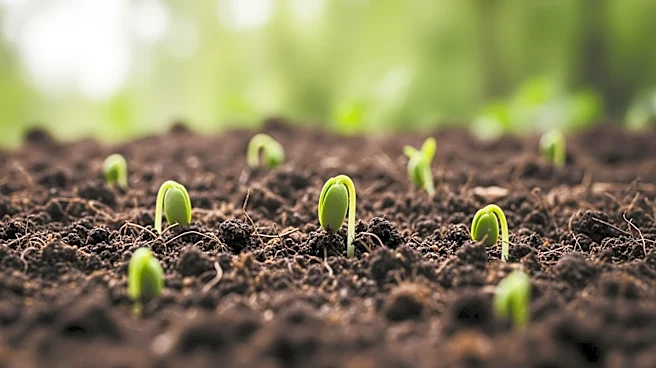
30 to 60 days, reducing carbon emissions and returning nutrients to the earth. Currently, 14 states have legalized human composting, and 15 more have introduced bills to legalize it. The method is seen as a response to the environmental concerns associated with conventional burial practices, such as embalming, which uses carcinogenic chemicals, and cremation, which consumes significant energy. Human composting allows families to use the resulting soil for planting, contributing to conservation and reforestation efforts.
Why It's Important?
The growing acceptance of human composting reflects a shift towards more sustainable end-of-life practices in the U.S. Traditional burial methods, including embalming and cremation, have significant environmental impacts, such as the release of harmful chemicals and high energy consumption. By contrast, human composting offers a way to reduce these impacts, aligning with broader environmental goals. This trend could influence legislation and public policy as more states consider legalizing the practice. It also represents a cultural shift in how society views death and the afterlife, emphasizing a return to nature and ecological responsibility.
What's Next?
As more states consider legalizing human composting, there may be increased public discourse and legislative activity around sustainable burial practices. This could lead to the development of new regulations and standards for human composting facilities. Additionally, the funeral industry may see a rise in demand for eco-friendly services, prompting innovation and adaptation. Environmental organizations and advocacy groups are likely to continue promoting human composting as part of broader efforts to reduce carbon footprints and promote sustainability.
Beyond the Headlines
The adoption of human composting raises ethical and cultural questions about how society handles death and the environment. It challenges traditional views on burial and memorialization, potentially altering how people plan for end-of-life arrangements. This shift could also impact religious and cultural practices, as communities navigate the balance between tradition and environmental responsibility. Furthermore, the practice highlights the intersection of technology and nature, as scientific advancements enable more sustainable approaches to age-old customs.