










What's Happening?
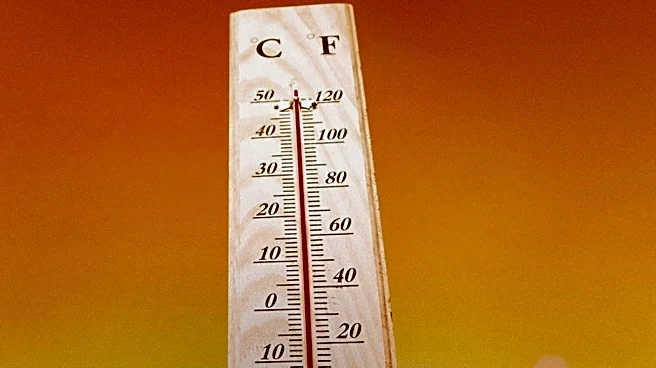
A severe heatwave in Europe during June has resulted in at least 3,700 excess deaths across France, Belgium, and the Netherlands. The heatwave, which occurred from June 20-28, was described as the worst on record in Europe, with temperatures soaring above
40°C (104°F). In France, 2,025 excess deaths were reported, with a significant increase among individuals over 45 years old. Belgium recorded approximately 1,200 excess deaths, primarily among the elderly, while the Netherlands reported around 480 excess deaths, also predominantly affecting older individuals. The extreme heat led to disruptions in daily life, including school closures and train cancellations. French Prime Minister Sebastien Lecornu is facing a no-confidence vote over the government's handling of the crisis.
Why It's Important?
The heatwave underscores the growing impact of climate change on public health and infrastructure. The significant number of excess deaths, particularly among the elderly, highlights the vulnerability of certain populations to extreme weather events. The situation has prompted criticism of European governments for inadequate measures to address rising temperatures. The heatwave also led to increased demand for air conditioning in France, reflecting a shift in public attitudes towards cooling solutions despite environmental concerns. This event serves as a stark reminder of the urgent need for comprehensive climate adaptation strategies to protect vulnerable populations and mitigate the effects of future heatwaves.
What's Next?
As the initial fatality figures are expected to rise, European governments may face increased pressure to implement more robust climate adaptation measures. The no-confidence vote against the French Prime Minister could lead to political repercussions and policy changes. Additionally, there may be a push for improved infrastructure and public health strategies to better prepare for future heatwaves. The event could also influence public opinion and policy discussions on climate change, potentially leading to increased investment in sustainable cooling technologies and energy-efficient building designs.
Beyond the Headlines
The heatwave has broader implications for climate policy and public health. It highlights the ethical responsibility of governments to protect vulnerable populations from climate-related risks. The increased reliance on air conditioning raises concerns about energy consumption and environmental impact, prompting discussions on sustainable cooling solutions. The event also underscores the need for international cooperation in addressing climate change, as extreme weather events become more frequent and severe. Long-term shifts in public attitudes towards climate adaptation and mitigation strategies may emerge as a result of this crisis.