









What's Happening?
Central District Health (CDH) has committed $250,000 to address a rising rat infestation across Ada County, Idaho. The agency is collaborating with Ada County and Boise officials to implement a multi-faceted plan. A significant portion, $100,000, is earmarked
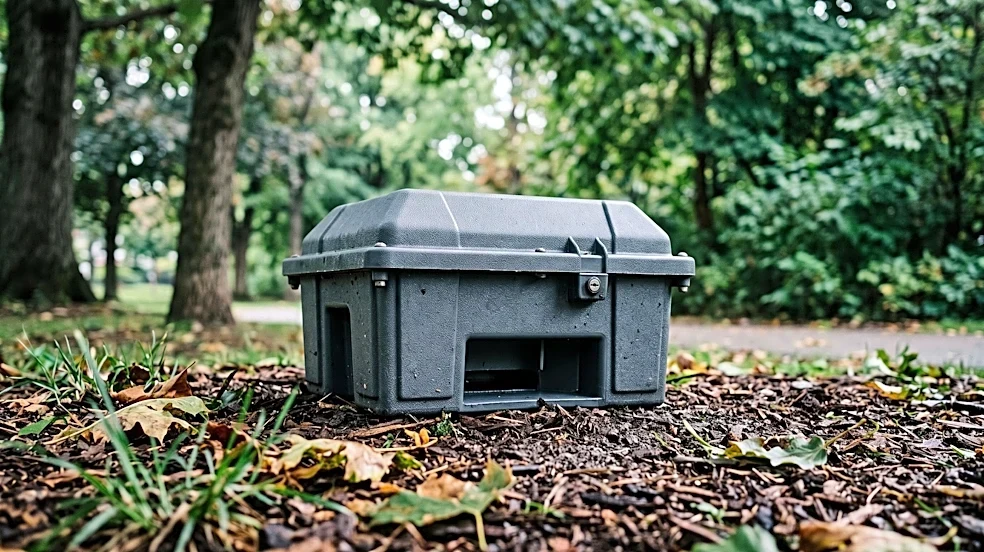
to assist eligible residents with pest control costs, directly paying vetted local companies. Eligibility for this aid will be based on the state’s property-tax reduction program, and applicants must reside in areas with reported rat sightings. Additionally, $55,000 will fund bait designed to reduce rat fertility in the Pierce Park neighborhood, an area identified for its high rat activity and community engagement. The city of Boise will support the maintenance of these bait stations. A further $10,000 is allocated for testing up to 20 smart traps in secure public locations. The initiative also incorporates a community-developed rat-sighting website to map reported incidents and track the effectiveness of pilot programs. Residents like Sarah Garcia in Northwest Boise have reported trapping dozens of rats, highlighting the severity of the issue.
Why It's Important?
This allocation by Central District Health underscores a significant public health and quality-of-life concern for residents of Ada County. Rat infestations can pose serious health risks, including the transmission of diseases, and can cause property damage. The financial assistance program aims to alleviate the burden on low-income residents who may struggle to afford professional pest control, ensuring a more equitable response to the problem. By involving local pest control businesses, CDH is also supporting the local economy while emphasizing preventative measures over immediate reliance on poisons. The focus on fertility-reducing bait in specific neighborhoods represents an innovative approach to population control, potentially offering a more sustainable and environmentally conscious solution than traditional extermination methods. The community tracking map is crucial for data collection, allowing for targeted interventions and efficient resource allocation, which is vital for managing widespread public health issues.
What's Next?
Central District Health is currently compiling a list of approved pest-control companies, encouraging providers to prioritize preventative strategies before resorting to poisons. The pilot programs, including the fertility-reducing bait stations in Pierce Park and the smart traps, are expected to be implemented soon, with their effectiveness continuously monitored through the rat-sighting website. CDH plans to host an informational event on December 10th from 6 to 8 p.m. at 707 N Armstrong Pl, Boise, ID 83704, to educate residents on how to protect their homes and yards. While government programs are being initiated, CDH Director Kristin Ryan emphasizes that a comprehensive solution will require community participation, with individual property owners playing a crucial role in managing their own premises to prevent further infestations. The success of these initial pilot projects will likely influence future strategies and funding allocations for rat control in Ada County.
Beyond the Headlines
The rat problem in Ada County highlights broader challenges in urban wildlife management and public health infrastructure. The reliance on community engagement, such as the rat-sighting website developed by a resident, demonstrates the increasing importance of citizen science in addressing local environmental issues. This collaborative approach, combining government funding, local business involvement, and community participation, could serve as a model for other municipalities facing similar challenges. The emphasis on preventative measures and fertility control over immediate extermination also reflects a growing trend towards more humane and ecologically sound pest management practices. Furthermore, the issue brings to light potential underlying factors contributing to increased rat populations, such as urban development, waste management practices, and climate patterns, which may require long-term strategic planning beyond immediate pest control efforts. The situation also underscores the need for continuous public education on sanitation and property maintenance to prevent infestations.