


What's Happening?
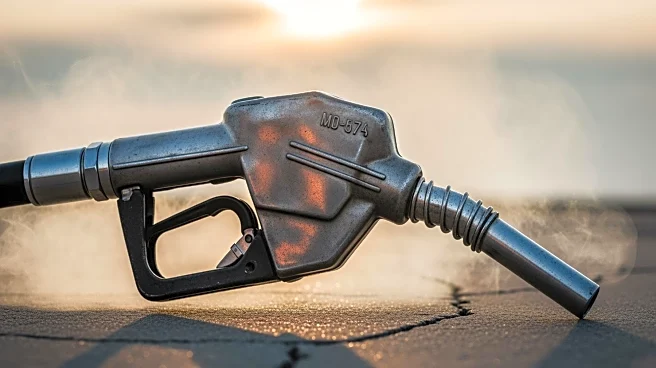
Ukraine's diesel market is currently stable with sufficient supplies through the end of March, as daily imports have increased by 3% to nearly 17,000 metric tons. However, the situation for April remains uncertain due to rising prices and the impact of the Middle
East conflict. The country, which has become heavily reliant on imported fuel following the destruction of its domestic refining capacity by Russian missile strikes, sources its diesel from various parts of Europe. Despite the current pace of imports potentially reaching 522,000 tons for March, suppliers are hesitant to commit to April deliveries. The uncertainty is compounded by a significant increase in wholesale diesel prices, which have surged by nearly 50% in less than a month.
Why It's Important?
The uncertainty in Ukraine's diesel supply highlights the broader geopolitical and economic challenges facing the country. As Ukraine relies heavily on imported fuel, any disruption in supply or price increases could have significant implications for its economy and energy security. The rising diesel prices, driven by the ongoing conflict in the Middle East, could further strain Ukraine's financial resources and impact its agricultural sector, which may need to increase rapeseed plantings to meet biodiesel demand. This situation underscores the interconnectedness of global energy markets and the potential ripple effects of regional conflicts on countries like Ukraine.
What's Next?
The Ukrainian government and energy stakeholders will need to closely monitor the situation and explore alternative supply options to mitigate potential shortages in April. Ongoing negotiations with suppliers and potential diplomatic efforts to stabilize the Middle East conflict could influence future diesel availability and pricing. Additionally, Ukraine may need to consider strategic reserves or alternative energy sources to enhance its energy resilience.