




What's Happening?
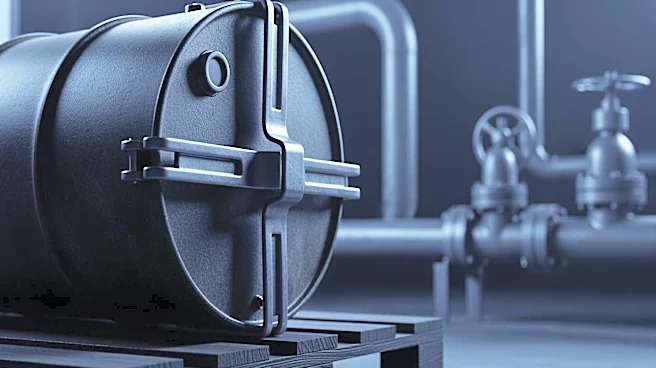
Iran's uranium stockpile has reached approximately 11 tons, which could potentially be used to produce up to 100 nuclear weapons, according to a report by The New York Times. This development has become a central concern as nuclear negotiations resume.
The stockpile includes uranium at varying enrichment levels, with some material approaching weapons-grade. The increase in uranium reserves follows the U.S. withdrawal from the 2015 nuclear agreement and the reimposition of sanctions in 2018. Since then, Iran has expanded both the quantity and enrichment levels of its uranium, complicating monitoring efforts and raising international tensions.
Why It's Important?
The expansion of Iran's uranium stockpile poses significant implications for global security and nuclear non-proliferation efforts. The potential for Iran to develop nuclear weapons could destabilize the Middle East and lead to an arms race in the region. This situation also challenges the effectiveness of international agreements and sanctions aimed at curbing nuclear proliferation. The U.S. and its allies may need to reassess their strategies to prevent Iran from advancing its nuclear capabilities, which could involve diplomatic negotiations or increased sanctions.
What's Next?
As negotiations continue, the status of Iran's uranium stockpile is expected to be a focal point. Potential measures could include stricter oversight, limits on enrichment, and steps to reduce or remove existing reserves. The international community will likely monitor Iran's actions closely, and any further developments could influence diplomatic relations and security policies. The outcome of these negotiations could have lasting impacts on regional stability and global non-proliferation efforts.