


What's Happening?
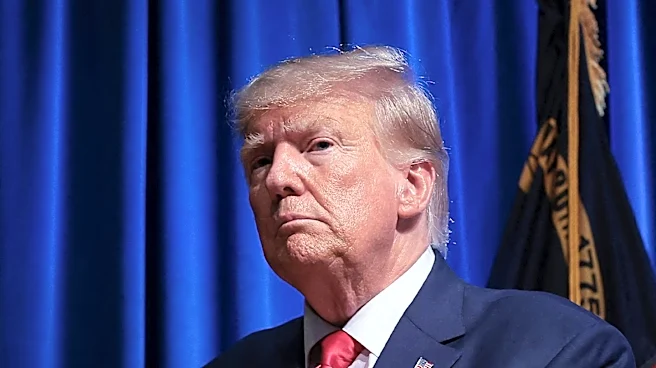
On September 4, President Trump signed two executive orders aimed at supporting U.S. ranchers, addressing concerns related to meat processing, labeling, market competition, and predator control. Concurrently, the U.S. Department of Agriculture (USDA)
announced additional priorities under its Ranchers First Initiative, a comprehensive plan to rebuild the 'Great American Beef Herd.' The first executive order, 'Supporting America’s Ranchers,' focuses on livestock depredation by directing the Secretary of the Interior to review the delisting or downlisting of gray and Mexican wolves under the Endangered Species Act. It also mandates updates to compensation standards for predator losses and eases authorization for lethal removal. Additionally, this order directs the USDA to review existing authorities for mandatory country-of-origin labeling (MCOOL) for beef products. The second order, 'Promoting Fair Competition in Livestock Markets and Expanding Market Access for American Meat Producers,' aims to strengthen packer competition, expand processing capacity, and improve market access for U.S. producers. It directs the USDA to prioritize investigations into Packers and Stockyards Act violations and increase enforcement resources. These actions come amidst ongoing tensions regarding the Trump administration's recent policy to temporarily expand foreign beef imports, which has drawn criticism from cattle producers and some legislators.
Why It's Important?
These executive orders and USDA initiatives are significant for the U.S. cattle industry, which has faced challenges from market concentration, predator losses, and fluctuating beef imports. The focus on predator control aims to reduce financial burdens on ranchers, while the push for MCOOL seeks to provide consumers with greater transparency and potentially boost demand for U.S.-produced beef. Efforts to enhance competition in livestock markets and expand processing capacity could empower independent ranchers and reduce the dominance of large meatpackers, fostering a more equitable market environment. However, these pro-rancher measures are set against a backdrop of controversy over increased foreign beef imports, which many in the industry believe undermine domestic producers. This policy tension highlights a broader debate within the administration about balancing consumer prices with support for domestic agricultural industries, impacting ranchers' confidence and investment in herd rebuilding.
What's Next?
The implementation of these executive orders will involve various federal agencies, including the Department of the Interior and the USDA, which will begin reviewing regulations and enforcement strategies. Ranchers and agricultural groups will closely monitor the progress of wolf delisting/downlisting, the development of MCOOL regulations, and the effectiveness of increased enforcement against anti-competitive practices. Legislative efforts, such as the proposed Protecting American Beef Producers Act and the Banning External Entry of Foreign Beef (BEEF) Act, indicate ongoing congressional debate and potential future actions to counter the administration's beef import policies. The success of the Ranchers First Initiative in rebuilding the 'Great American Beef Herd' will depend on its execution and the broader market response. The cattle industry will continue to advocate for policies that prioritize domestic production and market fairness, potentially leading to further policy adjustments or legislative battles.
Beyond the Headlines
The administration's dual approach of supporting domestic ranchers while also expanding foreign beef imports reveals a complex policy tightrope walk, attempting to address both producer concerns and consumer price pressures. This situation underscores the intricate balance between national food security, economic competitiveness, and international trade relations. The debate over MCOOL and market competition touches upon fundamental questions of consumer rights, fair trade practices, and the structural integrity of the U.S. food system. The executive orders also highlight the ongoing tension between conservation efforts (e.g., wolf protection) and agricultural interests, necessitating careful management of environmental policies. Ultimately, these developments could shape the future landscape of U.S. beef production, influencing everything from ranching practices to consumer choices and the overall resilience of the domestic food supply chain.