




What's Happening?
The Greater Cleveland Regional Transit Authority (RTA) is currently debating the timing of a proposed sales tax increase, which it plans to seek from voters to alleviate growing financial pressure. RTA trustees had initially decided to place a levy on the May
ballot but have since held off on setting the amount and are reconsidering the timing. Officials from Cleveland and Cuyahoga County, who appoint most of RTA's board, have requested more time to refine the agency's 'value proposition' before going to the voters. RTA CEO India Birdsong Terry has been discussing the potential tax increase with civic and business leaders, including Mayor Justin Bibb and Cuyahoga County Executive Chris Ronayne. While a May election would provide revenue sooner, a November election next year would allow more time to build a stronger case for voters and potentially attract higher turnout. RTA faces a projected fiscal cliff, with its general operating balance expected to dwindle significantly by 2029, necessitating a decision on the sales tax increase.
Why It's Important?
This decision is critical for the future of public transportation in Greater Cleveland. The RTA's financial stability directly impacts its ability to provide essential services to residents, affecting daily commutes, access to employment, and overall regional connectivity. A sales tax increase, if approved, would provide much-needed revenue to prevent further service cuts and potentially allow for improvements and expansion of the transit system. Conversely, delaying the request or failing to secure voter approval could lead to significant reductions in service, negatively impacting low-income communities, students, and individuals reliant on public transit. The debate over timing reflects a strategic effort to maximize the chances of voter approval, balancing the immediate need for funds with the necessity of public education and consensus-building. The involvement of Mayor Bibb and County Executive Ronayne highlights the regional significance of RTA's financial health.
What's Next?
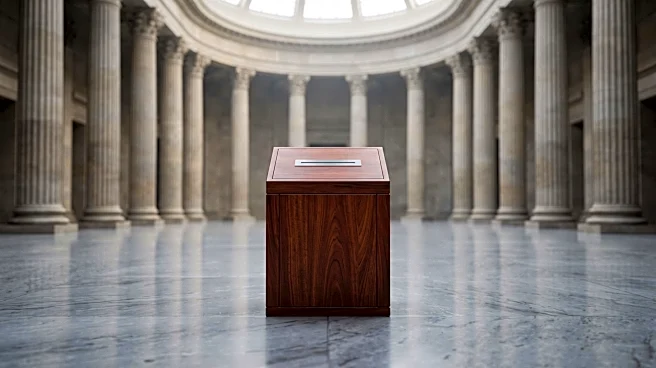
RTA trustees have opted to decide on the levy by November of this year, indicating a potential shift from the initial May ballot plan. This extended timeline will allow RTA to further engage with city and county officials, grassroots groups, businesses, and foundations to build a unified vision and stronger case for the sales tax increase. CEO India Birdsong Terry will continue discussions with key stakeholders, including Mayor Justin Bibb, to garner support and address concerns. The agency will need to clearly articulate its 'value proposition' to voters, demonstrating how the increased sales tax will directly benefit the community and ensure the long-term viability of public transit. The ultimate decision on whether to pursue a May or November ballot initiative will depend on these ongoing discussions and the perceived readiness of the public to support the measure.
Beyond the Headlines
The RTA's struggle to secure funding through a sales tax increase reflects a broader challenge faced by public transit systems across the U.S. Many transit agencies are grappling with declining ridership, rising operational costs, and insufficient public funding, often leading to a cycle of service cuts and further ridership loss. This situation underscores the critical need for sustainable funding models for public transportation, which is a cornerstone of urban development, economic equity, and environmental sustainability. The debate in Cleveland highlights the tension between immediate financial needs and the long-term strategy of building public trust and support for essential services. It also brings to light the political complexities of raising taxes, even for vital public infrastructure, and the importance of effective communication to convey the benefits of such investments to the electorate. The outcome in Cleveland could serve as a case study for other U.S. cities facing similar transit funding dilemmas.