







What's Happening?
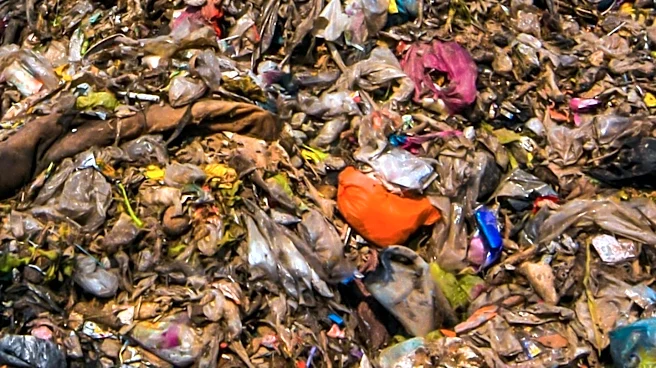
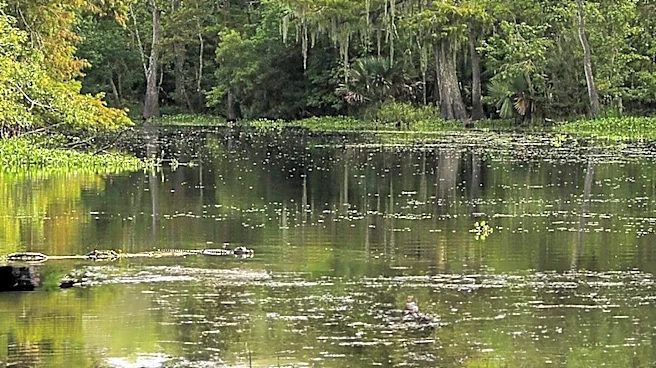
Eusebio Ramon, a 32-year-old resident of Spring Hill, Florida, was arrested by the Florida Wildlife Conservation Commission for illegally dumping 26,040 pounds of debris in the Ocala Wildlife Management Area. The debris, which included concrete, metal
roofing, and household trash, was discovered by an FWC officer on August 3, 2026. Ramon, who was hired to dispose of demolition debris, admitted to the illegal dumping and was charged with felony littering. The debris has since been removed by Marion County Waste Management.
Why It's Important?
This incident highlights the ongoing issue of illegal dumping and its environmental impact, particularly in protected wildlife areas. Illegal dumping not only poses a threat to local ecosystems but also incurs significant cleanup costs for local governments. The arrest serves as a reminder of the importance of proper waste disposal and the legal consequences of neglecting environmental regulations. It also underscores the role of law enforcement and conservation agencies in protecting natural resources and maintaining ecological integrity.
What's Next?
Following Ramon's arrest, there may be increased efforts to monitor and prevent illegal dumping in Florida's wildlife areas. Authorities could implement stricter regulations and penalties to deter similar offenses in the future. Public awareness campaigns may be launched to educate the community about the environmental and legal implications of illegal dumping. Additionally, this case could prompt a review of waste management practices and policies to ensure more effective and sustainable disposal solutions.
Beyond the Headlines
The case of illegal dumping in the Ocala Wildlife Management Area raises broader questions about waste management and environmental responsibility. It highlights the need for systemic changes in how waste is handled, particularly in areas close to natural habitats. This incident could lead to discussions about the role of businesses and individuals in reducing waste and promoting sustainable practices. It also emphasizes the importance of community involvement in environmental conservation efforts.