





What's Happening?
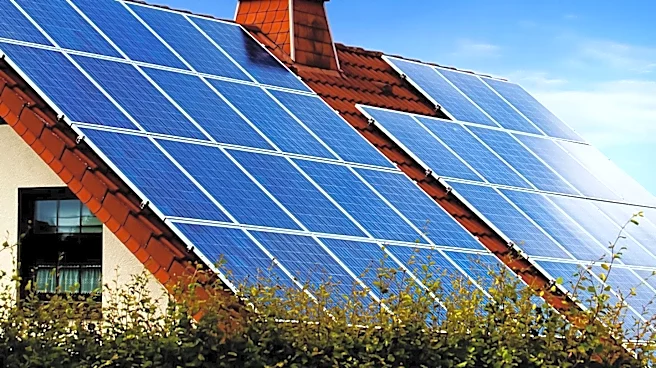
As solar technology advances, many homeowners are replacing older solar panels with more efficient models. Instead of discarding these older panels, there's a growing trend to repurpose them for various uses. One creative application involves transforming
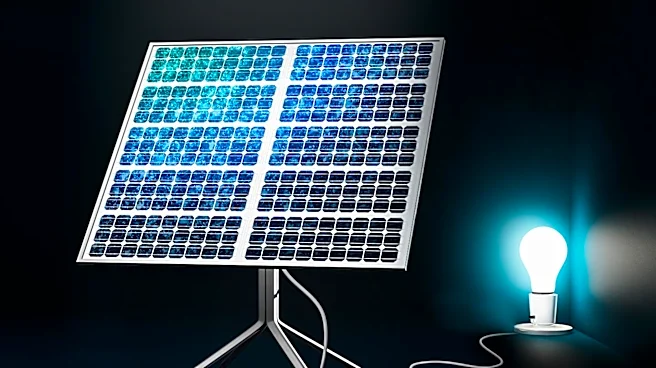
old solar panels into upcycled furniture, such as coffee tables. These tables can be designed to be purely decorative or made more functional by integrating features like USB charging ports, LED lighting, or small speakers, powered by the panel itself. Another practical use is converting them into off-grid community charging stations, providing power for various devices. This movement not only gives a second life to equipment that might otherwise become waste but also offers innovative solutions for energy generation and sustainable living. Challenges include reduced panel output over time, battery degradation, and the need to protect electrical components from weather, especially if used outdoors.
Why It's Important?
The repurposing of old solar panels holds significant importance for environmental sustainability and resource management in the U.S. By upcycling these panels, the amount of electronic waste entering landfills is reduced, mitigating environmental pollution and conserving valuable resources that would otherwise be used to manufacture new items. This trend also promotes a circular economy, where products and materials are kept in use for as long as possible. For consumers, it offers cost-effective and creative ways to furnish homes or provide off-grid power solutions, potentially lowering utility bills and increasing energy independence. Furthermore, it fosters innovation in design and engineering, encouraging individuals and communities to think creatively about waste reduction and sustainable practices. The initiative can also inspire local businesses to develop services around solar panel repurposing, creating new economic opportunities.
What's Next?
The trend of repurposing old solar panels is likely to expand as more homeowners upgrade their systems and awareness of sustainable practices grows. We can anticipate an increase in DIY guides and workshops focused on transforming these panels into functional and aesthetic household items. Businesses specializing in upcycled goods may emerge, offering custom-made furniture or charging solutions from discarded solar equipment. Additionally, community initiatives could see a rise in the establishment of public charging stations powered by repurposed panels, particularly in areas with limited access to electricity. Research and development might also focus on improving the efficiency and longevity of repurposed solar components, addressing issues like battery degradation and weather protection to make these solutions more viable and widespread. Educational campaigns could further promote the environmental benefits and practical applications of solar panel upcycling.
Beyond the Headlines
Beyond the immediate environmental and economic benefits, the movement to repurpose old solar panels touches upon deeper societal and cultural shifts. It challenges the conventional 'take-make-dispose' linear economy, promoting a mindset of resourcefulness and creativity. This approach encourages individuals to view discarded items not as waste, but as potential resources with new applications, fostering a culture of innovation and sustainability. Ethically, it aligns with principles of environmental stewardship and responsible consumption, prompting a re-evaluation of our relationship with technology and its lifecycle. Culturally, it could lead to a greater appreciation for handcrafted and unique items, moving away from mass-produced goods. The long-term implications include a potential reduction in demand for new raw materials, a decrease in carbon footprint associated with manufacturing, and the empowerment of communities through decentralized energy solutions, contributing to a more resilient and sustainable future.