






What's Happening?
The Atlantic article discusses the historical concerns of John Adams regarding the influence of wealth on democratic processes. Adams, a prominent critic of oligarchy during the founding generation, warned that the rich could manipulate public discourse
and democratic outcomes. He foresaw that wealthy individuals would be interested in both celebrity and political power, a prediction that resonates with today's political landscape. The article also references Adam Smith's ideas on human passions and distinctions, which Adams used to predict the potential for the wealthy to corrupt democracy. The piece highlights the challenges posed by modern technology, such as social media and AI, which have transformed the information environment in ways the Founders could not have anticipated.
Why It's Important?
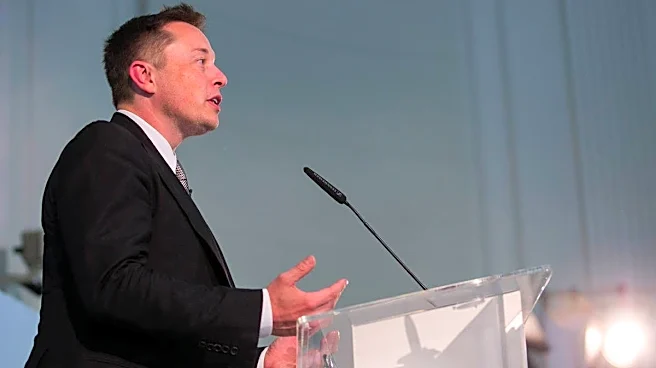
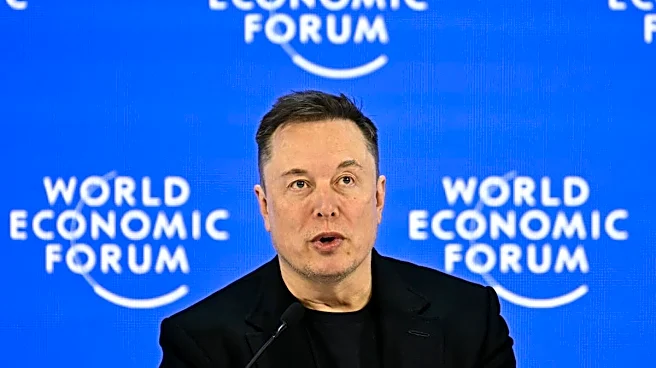
The concerns raised by John Adams about the intersection of wealth and political power remain relevant in today's society. The influence of wealthy individuals and corporations on public discourse and policy-making can undermine democratic principles. The rise of technology platforms controlled by a few oligarchs, such as Elon Musk, has given them unprecedented control over public discourse. This concentration of power poses a threat to the democratic process, as it can lead to the manipulation of information and public opinion. The article suggests that the Founders' vision of a democracy based on reasoned debate and informed citizenry is at risk in the current technological landscape.
What's Next?
The article implies that addressing the challenges posed by modern technology and wealth concentration requires a reevaluation of democratic institutions and processes. Policymakers and society must consider how to adapt democratic systems to ensure they remain resilient in the face of technological advancements. This may involve implementing regulations to limit the influence of wealthy individuals and corporations on public discourse and ensuring that technology platforms promote diverse and accurate information. The future of democracy may depend on finding ways to balance the power of technology with the principles of democratic governance.
Beyond the Headlines
The deeper implications of the article suggest a need to revisit the ethical and philosophical foundations of democracy. The Founders' belief in the capacity of ordinary people to form opinions based on evidence and reason is challenged by the current media landscape, which often prioritizes sensationalism and partisanship. The role of education in fostering critical thinking and media literacy is crucial in empowering citizens to navigate the complex information environment. Additionally, the article raises questions about the long-term impact of technology on societal values and the potential need for new frameworks to address the ethical dimensions of technological influence on democracy.