
What's Happening?
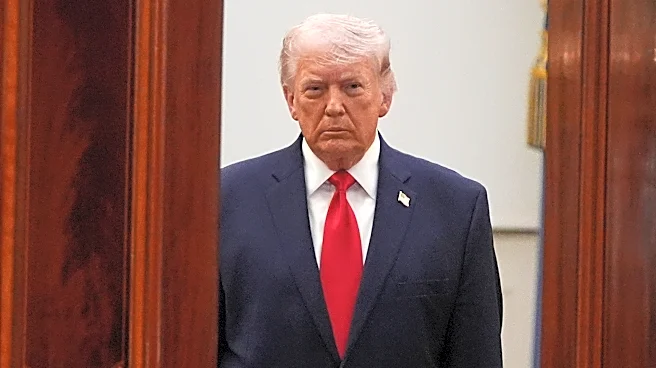
Europe is increasingly turning to Africa as a strategic partner due to strained relations with the United States and the Middle East. Tensions have risen after President Trump questioned NATO's relevance
and considered withdrawing the U.S. from the alliance. Additionally, the ongoing conflict involving Iran has disrupted critical energy corridors, highlighting Europe's dependency on Middle Eastern supply routes. In response, Europe is seeking to diversify its energy sources by engaging more deeply with African nations. This includes increased energy imports from countries like Nigeria and Algeria, as well as refined fuel shipments from the Dangote Petroleum Refinery in Nigeria to European ports.
Why It's Important?
The shift in Europe's foreign policy towards Africa signifies a major realignment in global alliances. As Europe seeks to reduce its dependency on Middle Eastern energy, African countries stand to benefit from increased trade and investment. This could lead to economic growth and development in Africa, while also providing Europe with more stable and diversified energy sources. The move also reflects a broader trend of Europe moving away from traditional aid models towards partnerships based on mutual economic and security interests. This realignment could have significant implications for global trade patterns and geopolitical dynamics.
What's Next?
Europe is likely to continue strengthening its ties with African nations through increased trade and investment. This includes further energy cooperation and security partnerships, as evidenced by recent agreements with countries like Ghana. The European Union has committed significant resources to support African-led initiatives, indicating a long-term strategic interest in the continent. As Europe navigates its strained relations with the U.S. and Middle East, its engagement with Africa is expected to deepen, potentially reshaping global economic and political landscapes.
Beyond the Headlines
The pivot towards Africa also raises questions about the future of Europe's traditional alliances and its role in global geopolitics. As Europe seeks to assert its independence from U.S. influence, it may face challenges in balancing its new partnerships with existing commitments. Additionally, the increased focus on Africa could lead to competition with other global powers, such as China, which has also been investing heavily in the continent. This could result in a new era of geopolitical competition in Africa, with significant implications for global stability and development.