




What's Happening?
A significant heat wave that has affected the central and eastern United States is now shifting westward, according to meteorologists. The heat dome, which has been responsible for record-breaking temperatures, is expected to move towards the South and West,
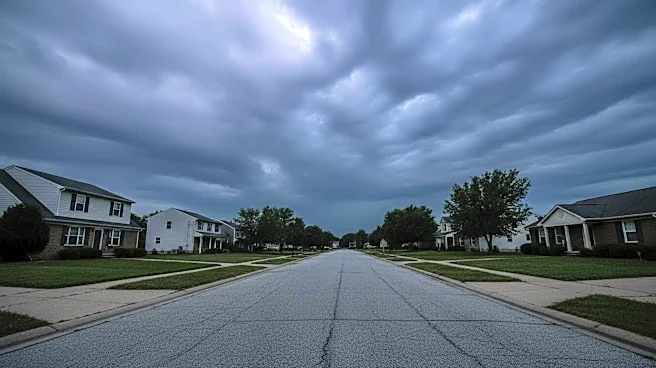
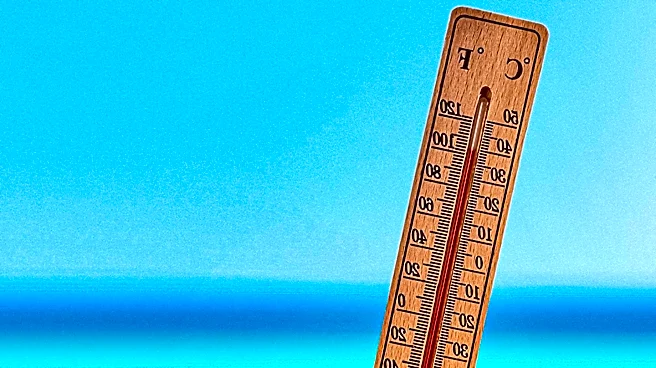
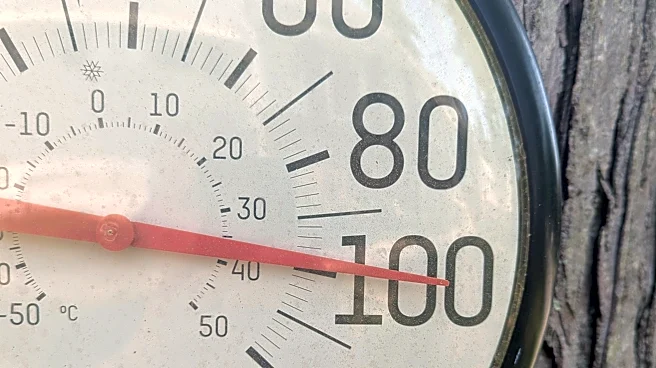
impacting areas such as Phoenix with temperatures ranging from 111 to 116 degrees Fahrenheit. The National Weather Service has issued extreme heat warnings for millions in the Southwest. While the Midwest and East are experiencing cooler temperatures, the shift in weather patterns is expected to bring heavy rainfall and potential flash flooding to the Mid-Atlantic and Northeast regions. The heat wave has already resulted in at least 20 fatalities, and numerous daily high temperature records have been set across the country.
Why It's Important?
The ongoing heat wave poses significant health risks to millions of Americans, particularly in the Southwest where extreme temperatures are expected to persist. The shift in the heat dome's location could exacerbate wildfire risks in the Rockies and High Plains, leading to poor air quality and increased smoke. The economic impact is also notable, as energy demands for cooling rise and agricultural sectors face stress from the heat. The situation underscores the broader challenges of climate variability and the need for adaptive measures in infrastructure and public health systems to mitigate the effects of extreme weather events.
What's Next?
As the heat dome moves westward, regions like the Rockies and Plains are expected to experience intensified heat, potentially leading to more wildfires and smoke. The National Weather Service continues to monitor the situation, issuing advisories and warnings as necessary. Communities in affected areas are advised to prepare for prolonged heat conditions and potential air quality issues. Meanwhile, the Midwest and East will need to brace for possible flooding due to the forecasted heavy rains.